

Gracie’s Journey, In Honor of May as Stroke Awareness and Mental Health Awareness Month
Gracie’s Journey, In Honor of May as Stroke Awareness and Mental Health Awareness Month




At just 10 years old, Gracie Doran experienced a stroke that forever altered the course of her life. In a short period of time, Gracie went from being an active child to relearning how to walk, talk, and eat, all before she started the fifth grade.
In recognition of May as Stroke Awareness Month and Mental Health Awareness Month, Gracie reflected on the impacts that having a stroke has had on her life, her outlook, mental health, and career.
When her symptoms began, Gracie, a native of Orange County, California, had just spent the day surfing in the ocean. She emerged from the water with a limp, but that was considered normal fatigue from doing a sport. She was a busy 10-year-old, dancing competitively, surfing, and taking tumbling classes. But as her symptoms progressed, her parents decided to take her to the hospital.
Four years before Gracie’s stroke, she had been diagnosed with a rare condition called cavernous hemangiomas, which caused tumor-like lesions to form in her brain that could bleed. This condition caused her to have seizures when she was younger. With that condition in mind, her family had been told that there was a very small chance—one in a million—that she could have a stroke. When she had her stroke a few months after receiving the news from her doctors, Gracie entered a new reality.
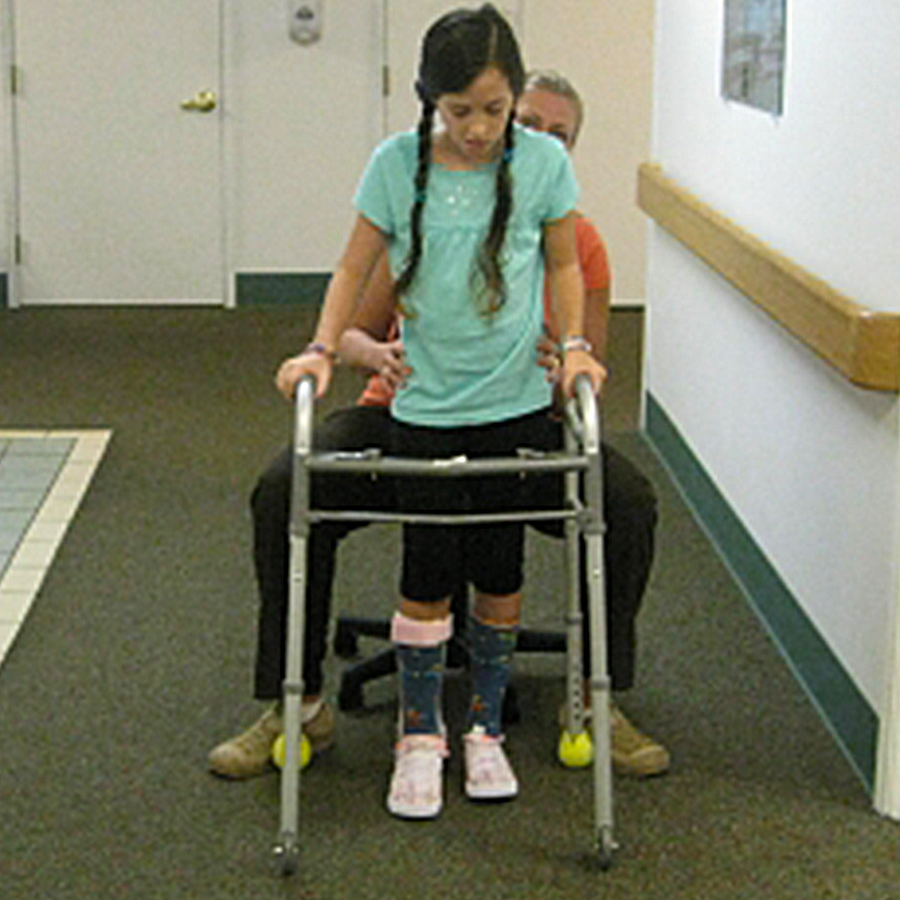
“I didn't know what was happening to me. After my surgery, I was in a coma for three days, and then when I woke up, I was completely paralyzed,” Gracie said.
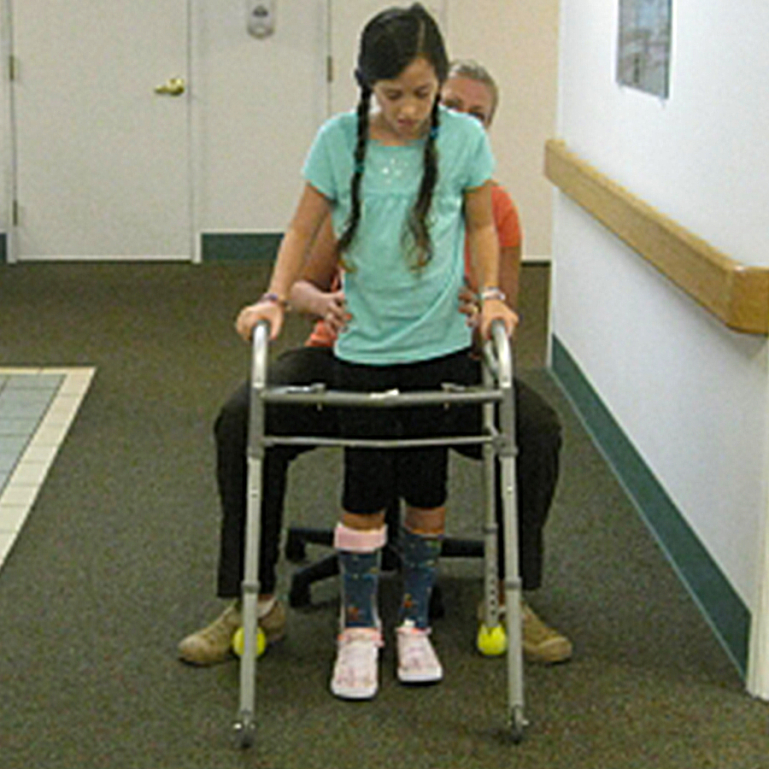
Gracie woke up from her stroke unable to speak, eat independently, or walk. She said that at the time, she didn’t even know what the word “paralyzed” meant, further adding to the confusion she felt. Gracie spent three weeks in the ICU and then two months at a rehabilitation center.
She said that those initial days at the rehab center were foggy and had mostly been repressed from her memory. She did recall a friend whose dad was Deaf, sending her a book of simple signs in American Sign Language (ASL) that Gracie learned to use while she was regaining her speech.
“The girl who lived”
Two months after entering the rehab facility, Gracie walked out on her own. While she had regained her ability to move, eat, and speak independently, she had lost partial function on the right side of her body.
Having been a competitive dancer since she was eight, Gracie worried that she had lost her ability to do the sport she loved.
“It was a loss of a dream. It was a loss of a part of my body. It was a loss of things I thought I'd never be able to do again,” Gracie said.
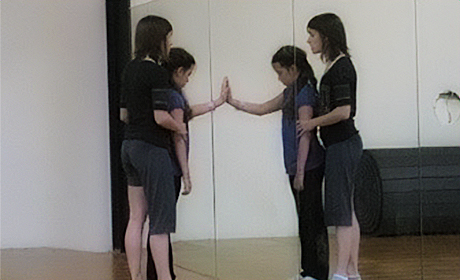
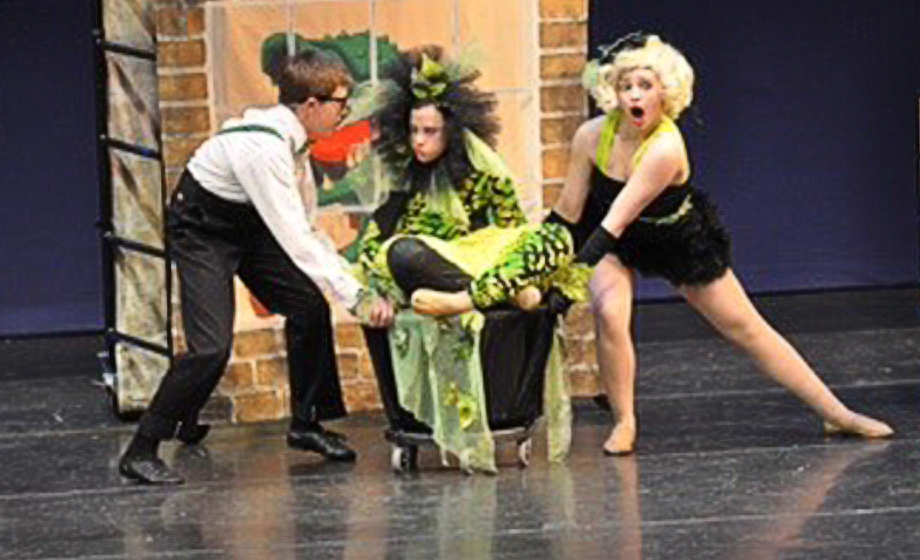
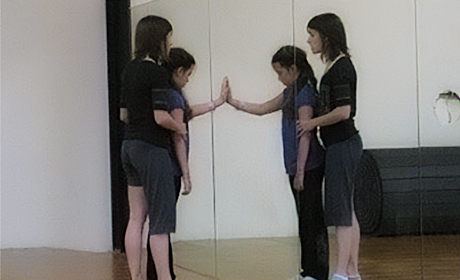
Slowly, over time, she started to reclaim the parts of herself she worried had been lost. Her dance teacher got her back in the studio by holding Gracie up with a gate belt.
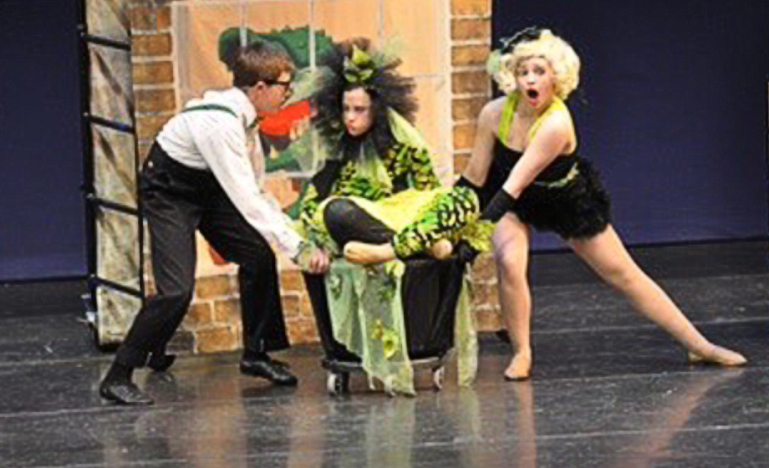
In her first dance competition after her stroke, she played the man-eating plant from the musical Little Shop of Horrors by putting Gracie on a cart. And then when she was 16, she performed a lyrical dance depicting her experience with her stroke to a cover of “Let It Be.”
“Music and movement is so healing. And that gave me a space to learn what my new body could do,” Gracie said.
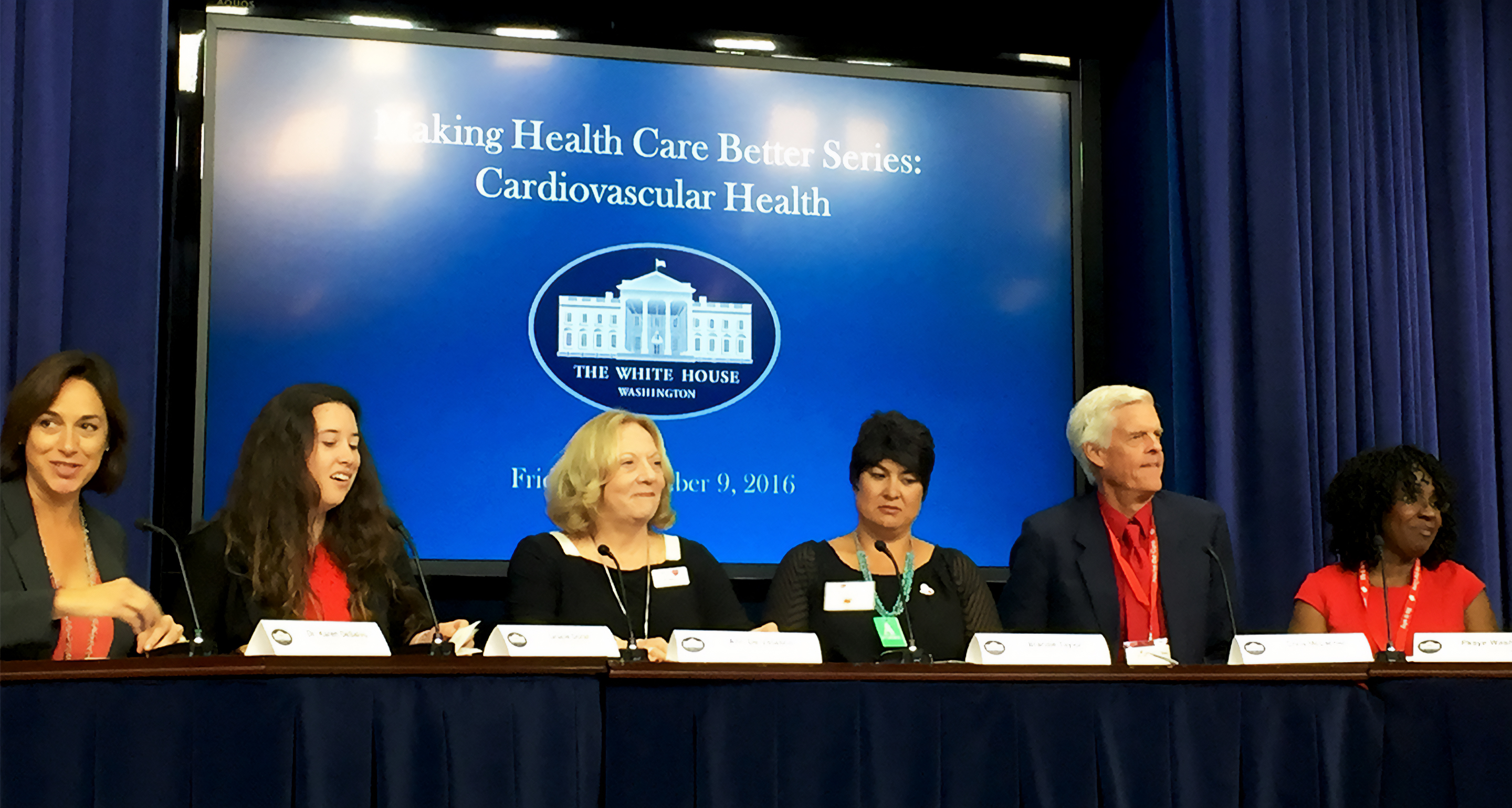
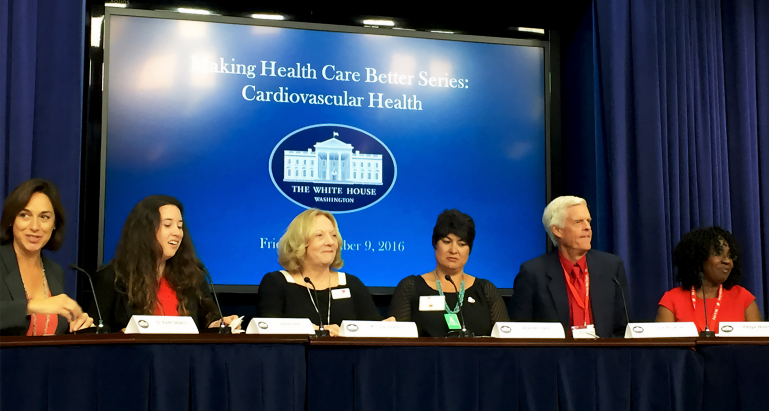
Gracie was also a kind of local celebrity—having been written about in the local paper, prayed for at her church, and known at her school and around town as “the girl who lived.” She said that she spent a lot of her youth trying to run away from what had happened to her, and she longed not to be defined by her stroke. Gracie also got opportunities to be an advocate for people with disabilities through motivational speaking and advocating for the Affordable Care Act (ACA) at the White House. This led to her having a split life; the one of a teenager going to high school like everyone else, and one of an advocate and speaker articulating her experiences as a young person in an adult’s world.
It wasn’t until Gracie went to St. Mary’s College of California that she met other students with disabilities and started to claim a disability identity for herself. She said that finding other people in the disability community allowed her to say, “you know, I'm disabled, I'm proud. I'm proud of it. I'm proud of how far I've come,” Gracie said.
“What if I fall?”
Gracie acknowledges that although she has come a long way with her mindset about her stroke and its impact on her life, she recognizes that it has made her a very anxious person. She noted that anxiety and depression are common for stroke survivors since the possibility of having another stroke still lingers.
She said that she doesn’t like to do things by herself, such as go to the grocery store, because she is concerned she could fall and hurt herself. Headaches, which can foreshadow a seizure or stroke, cause her anxiety, even to the point of having panic attacks. Or, if she feels pain in her body, Gracie has to ground herself to not spiral about the possibility of having another stroke. She described recent sciatica pain that had caused her to panic about signs of a possible stroke.
“The other day when my leg went numb, I had to have a moment where I did like some breathing exercises and I took myself away from the screens and from everything. And I had to remind myself that I wasn't having another stroke,” Gracie said.
The grounding that she does to stay present is a credit to Gracie’s outlook on her stroke. It’s a hard-fought place, but Gracie has worked to accept her stroke. She views the totality of that experience by carrying both the positives and negatives it’s brought to her life. On the one hand, she’s undergone 13 surgeries and has a lifetime of monitoring ahead of her. At the same time, Gracie has gained a voice and a perspective on her disability journey that sometimes takes people their whole lives to capture.
“I look at my stroke as, even though it's such a negative thing, and a lot of people would see something like that as a very negative thing,” Gracie said. “I look at it as something very positive because it led me to have all those opportunities.”
Going forward
Today, Gracie has a master’s degree, is a paralegal, and works as a legal support for DRC’s Voting Rights Practice Group, channeling her advocacy into action by working with and for people with disabilities. Knowing that sharing her story can impact someone’s life for the better has given Gracie the confidence to own her experience in one simple message,
“You have the stroke, but the stroke does not have you,” Gracie said. “Life after stroke can be successful. You can thrive after a stroke.”
Signs and Symptoms of a Stroke:
B.E. F.A.S.T.
- Balance loss
- Eye (vision) changes
- Face drooping
- Arm weakness
- Speech difficulty
- Time to call 911
(source: The American Stroke Association)

 ]
]