A House Not a Home: A Look Inside the Independent Living Industry
A House Not a Home: A Look Inside the Independent Living Industry




A House Not a Home:A Look Inside the Independent Living Industry

This story was reported by Sophie Roppé, an attorney and journalist with DRC's Investigations Unit. This piece is part of an ongoing series reporting on the missing gaps in California's systems of care.
Popular sayings like “home sweet home,” “home is where the heart is,” and “there’s no place like home,” encapsulate the belief that a home should be more than a roof over someone’s head; it should be a space providing peace, security, and comfort. A place you are excited to return to after a long day, where you can count on a good night’s sleep once your head hits the pillow.
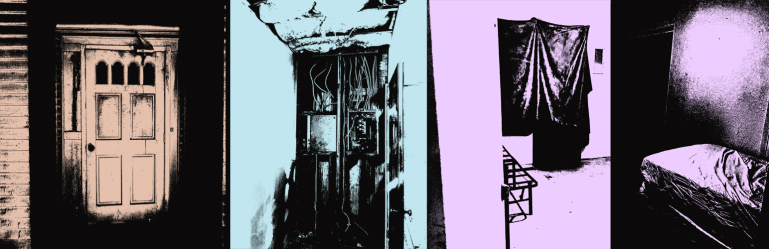
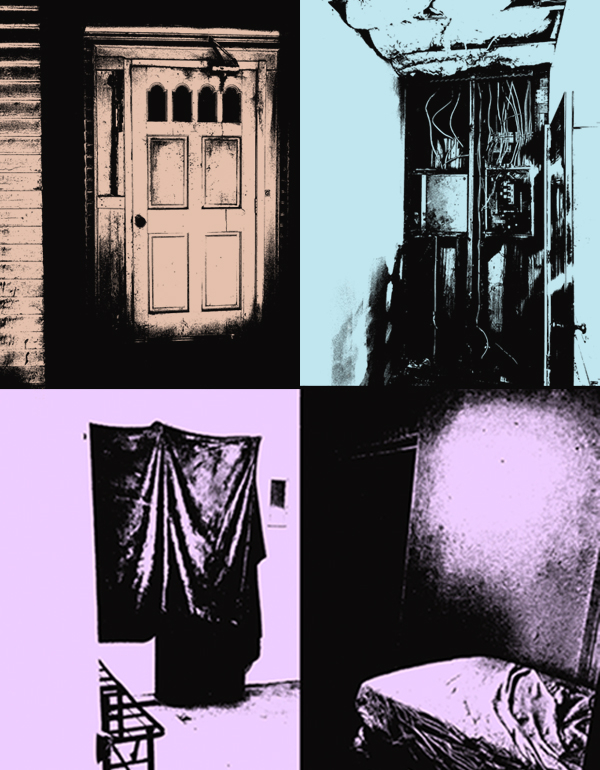
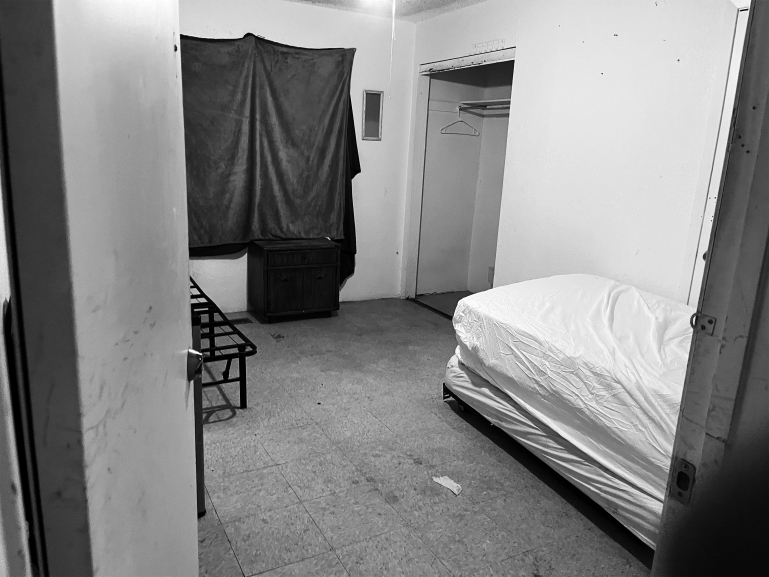
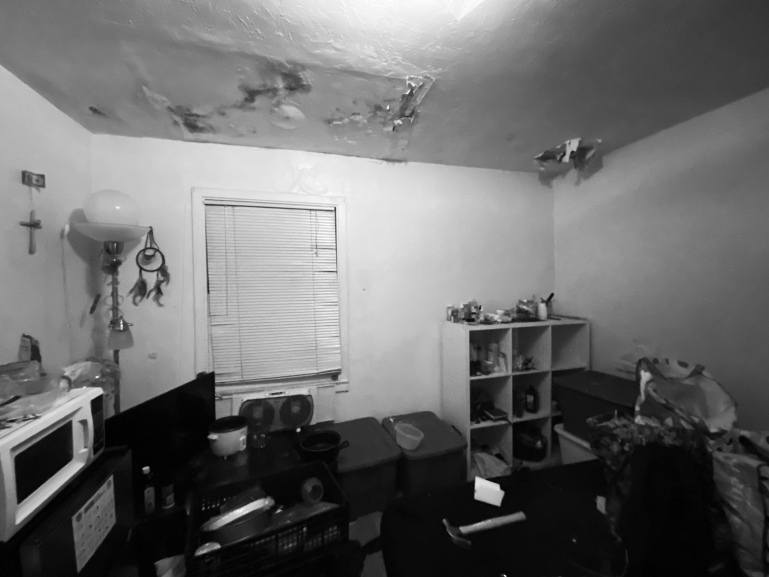
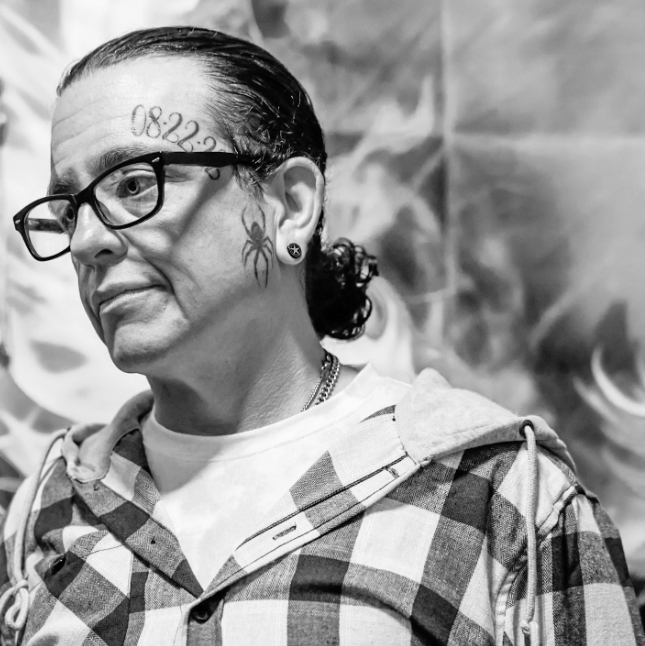
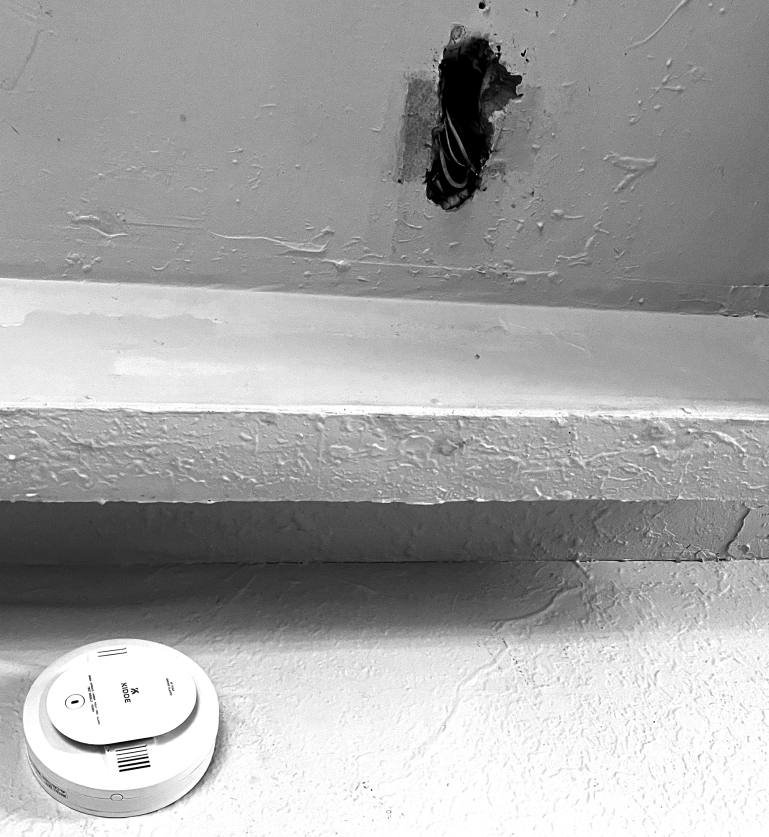
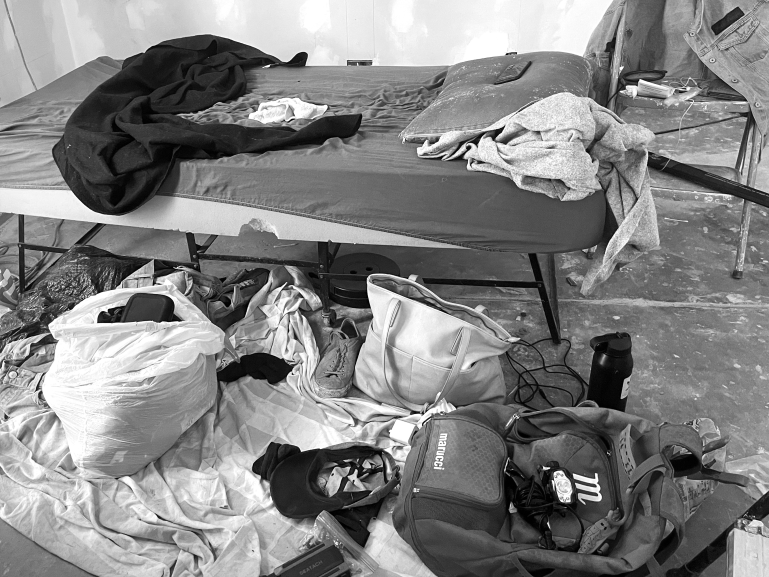
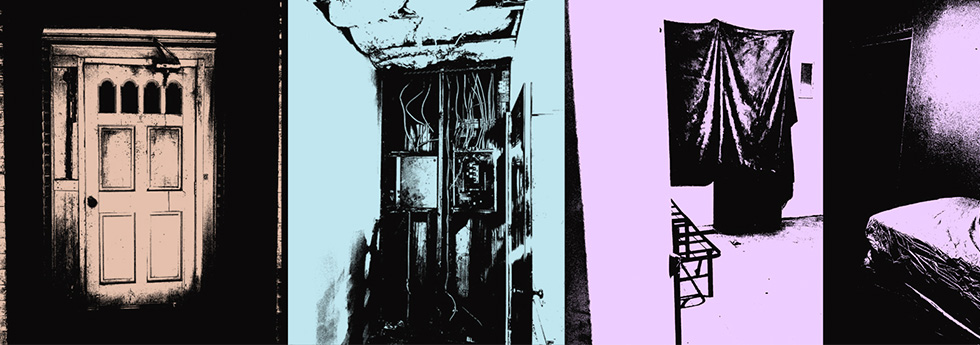
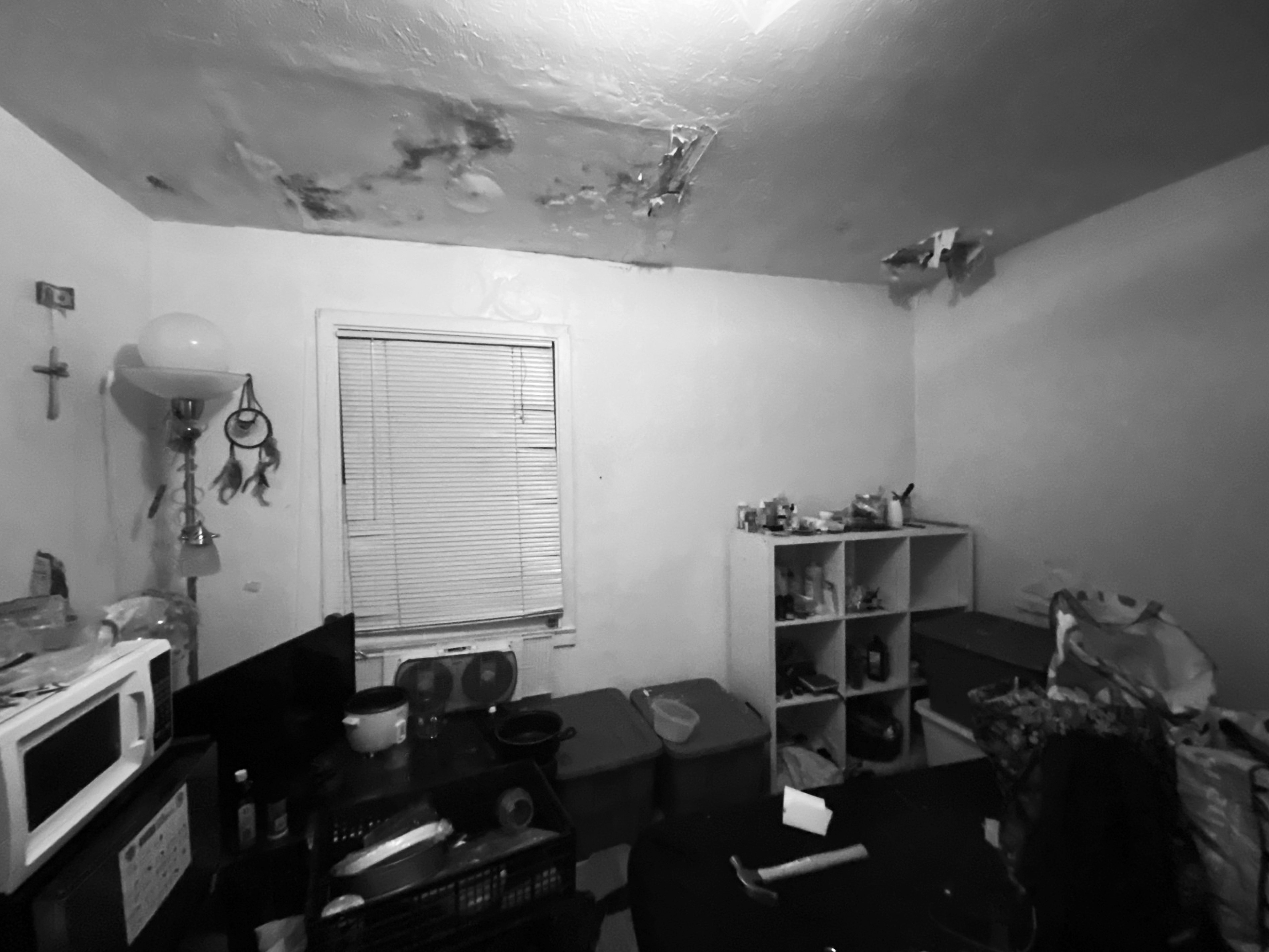
Yet, Azazel Holmvkist described his San Jose independent living home (ILH) as “squalid and dangerous,” with bloody bed sheets, broken doors, worn and rotted carpets, and no space clean enough to store food.
Another tenant’s guest breaking down his bedroom door was his final straw. He fled with no other housing plan in place, believing it was safer to sleep on the street.
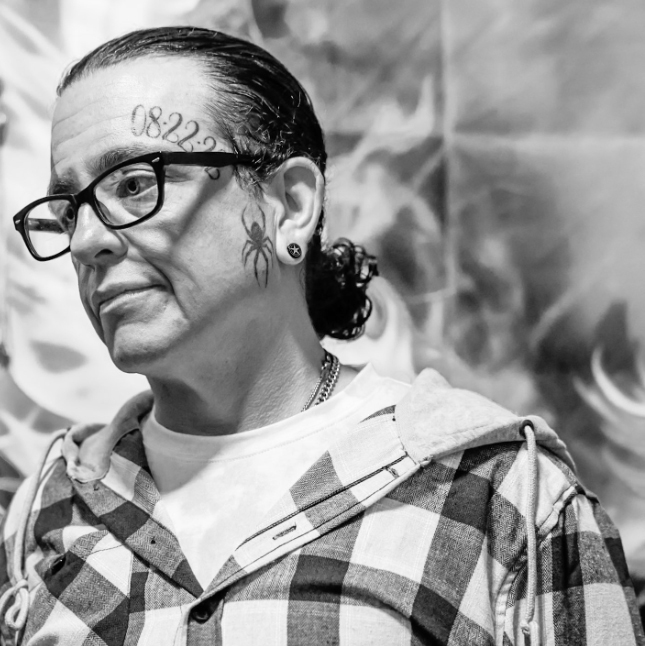
Azazel first became part of the mental health system at 7 years old. In the over 30 years that followed, he bounced between licensed homes, mental institutions, and the street. In 2022, he entered the ILH system through Judge Stephen Manley’s Behavioral Health Court. After fleeing his first ILH, he was placed in a second home, where he continued to feel unsafe. There, Azazel, who is transgender, said he was misgendered and threatened by the owner.
Azazel is not alone in this experience; many others have similarly navigated a difficult, confusing system and an unsafe and overwhelming environment.
David Cyrluk, diagnosed with schizophrenia in 2007, cycled through mental institutions and the street until he was picked up by police and placed in a licensed residential care facility, before eventually moving to an ILH in San Jose.
Adrian Rodriguez was discharged into an ILH in San Jose from a long-term stabilization unit operated by Momentum for Mental Health, a nonprofit providing behavioral health services in Santa Clara County.
For many of California’s most vulnerable tenants, this is a common story. When people with mental health disabilities return to the community from higher levels of care, or locked facilities, the Behavioral Health Services Department and contracted nonprofits, like Momentum for Mental Health, place them in a step-down facility for recovery. These step-down facilities often take the form of either licensed residential homes or unlicensed ILHs.
Licensed Residential Homes
Unlike ILHs, residential homes are licensed and monitored by the Department of Social Services’ Community Care Licensing Division. These homes provide residents with food and laundry services, 24-hour supervision, and assistance managing medical and psychiatric needs and appointments.
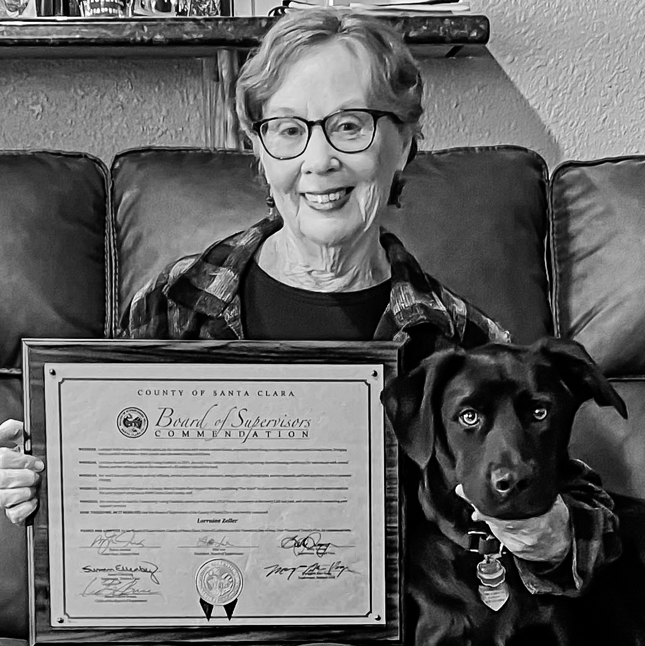
Lorraine Zeller, a former mental health peer support worker for Santa Clara County and founder of the grass roots organization Community Living Coalition, explained how a licensed residential home remains in good standing with Community Care Licensing. The person running the home must find and train staff, conduct background checks, pay fees, follow applicable rules and regulations, and deal with unannounced visits and scrutiny from Community Care Licensing.
She has firsthand knowledge of the difference between ILHs and licensed homes, as her advocacy began when she lived in an unlicensed wing of a licensed residential home. There, she experienced a facility that failed to honor dietary restrictions, smelled like urine, and did not provide a satisfactory environment for recovery.
Through her advocacy work in the ensuing decade, Lorraine found that licensed residential homes often do not receive enough rent from residents to cover high operating costs. Many residents have fixed incomes from public or government assistance programs such as Social Security Disability Insurance (SSDI) and Supplemental Security Income (SSI).
As a result, licensed residential homes across California are unable to comply with requirements, leading to rapid closures. A 2020 Santa Clara County audit noted a loss of 30 licensed care facilities and 262 beds from 2014 to 2018. A report from the Los Angeles County Department of Mental Health listed more than 96 closures of licensed residential homes from 2016 to 2022, leading to a loss of 1,687 beds.
Unlicensed independent living homes
As licensed homes dwindle, ILHs become one of the only viable step-down options for those with mental health disabilities.
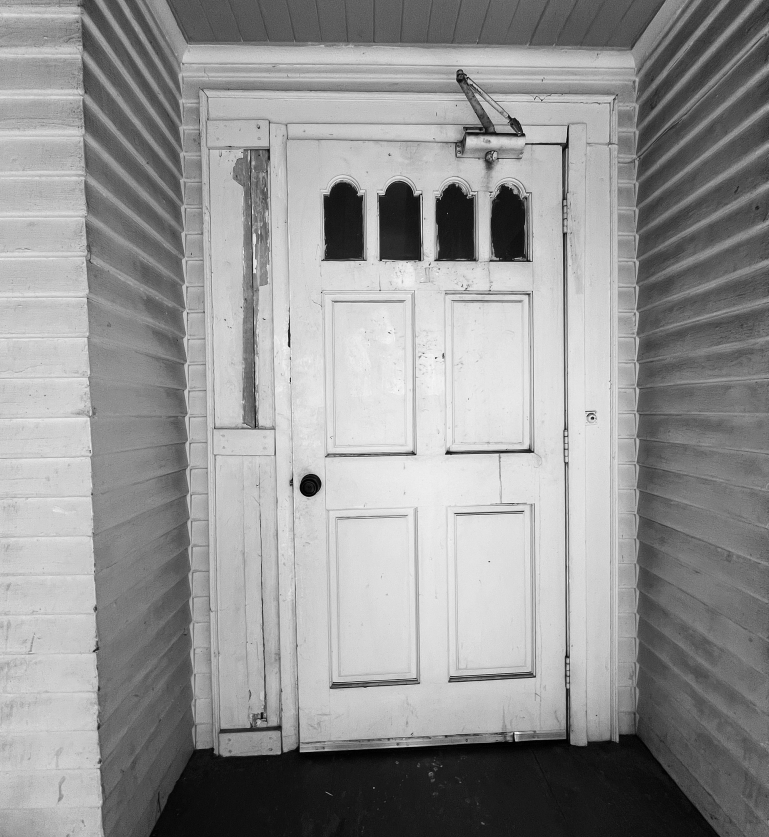
ILHs are unlicensed congregate living homes typically located in family residential neighborhoods. The arrangement is often informal. Tenants may lease a room directly from the property owner or sublease from an operator who leases from the property owner. More frequently, agencies or service providers place tenants through a referral process, leaving them without much say or involvement in where they live. Tenants may have a room for themselves or share one with others. Since there is no formal procedure or registry to create an ILH as with a licensed residential home, it is difficult to know their exact number or whereabouts across California.
ILHs sit somewhere between a typical residential lease and a licensed residential home. In contrast to a typical lease, ILH operators may provide tenants with breakfast, lunch, dinner, and snacks. Unlike a licensed home, tenants must handle their own medication management and personal care and receive no protections or oversight apart from standard landlord-tenant laws.
At its best, an ILH is an important step toward community reintegration and recovery. Unfortunately, many of these homes have the opposite effect, instead contributing to repeated cycles of relapse, trauma, and pain. And, without licensing requirements or unannounced visits from regulatory agencies, what happens within the four walls of an ILH often goes unseen.
Given the hidden nature of the industry, those who’ve lived in ILHs, their family members, operators, and community advocates are crucial in understanding where the industry falls short and how it can be improved.
Problems with ILHs
Lack of centralized resources
Emilie Gatfield is no stranger to bureaucracy. She grew up in a family of civil servants and previously held a job for an organization where she navigated bureaucracy to find and connect with service providers.
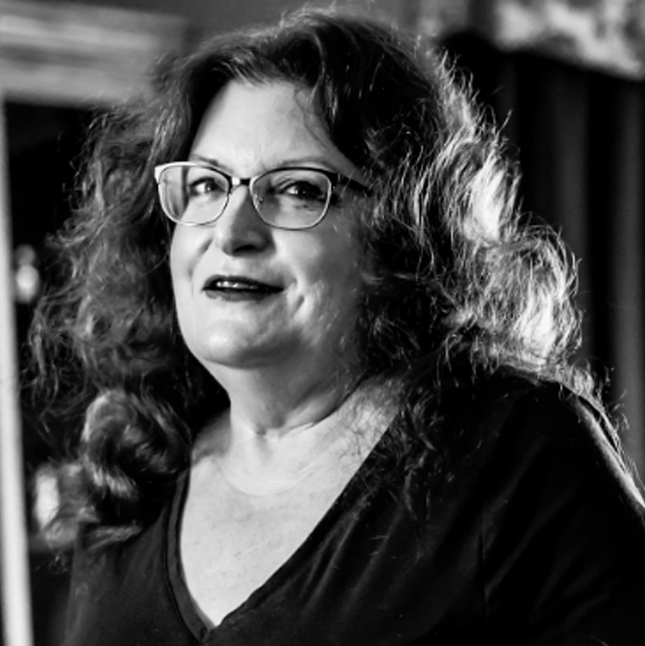
But, when she tried to find an ILH placement for her cousin, Johnny, she didn’t know where to start. “You are so overwhelmed, you’re drowning,” she said.
When Johnny’s ILH in San Jose was shut down by the government, he was sent to the hospital with ulcers on his feet, likely due to being in an inadequate wheelchair during his stay. He was in the hospital for weeks, then a rehab facility for months, all while Emilie searched for his next placement.
But there was no centralized place to find quality housing and no clear entity – whether federal, county, or local – to fill the gap. The amount of research needed to understand the process was a full-time job. Emilie began reaching out to anyone she could think of who might be helpful. She went from one caller to the next; each not knowing the right resource but connecting her with someone who might.
For those already overwhelmed with the responsibilities and commitments of daily life, there’s simply not enough hours in the day to meaningfully advocate for loved ones.
Although Johnny was eventually placed in an ILH in Stockton, the process was grueling, especially given the gravity of the decision. As Emilie said, “Someone’s got to live with the decision you make.”
Uninhabitable conditions and lack of adequate care
Even if a person or their family manages to navigate the tangled web of bureaucracy and find an ILH placement, there is no way to guarantee the quality.
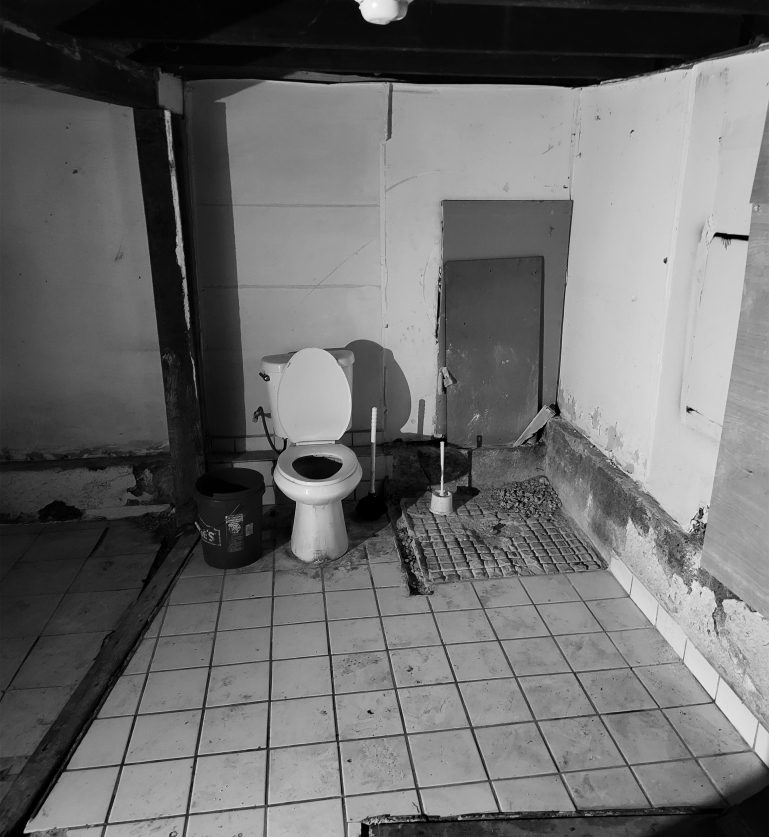
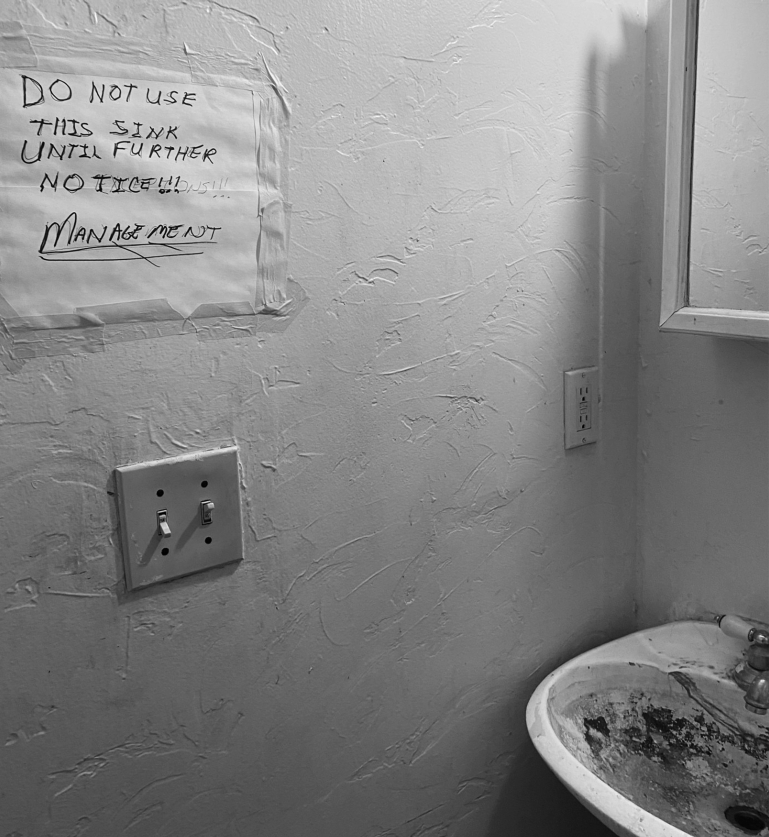
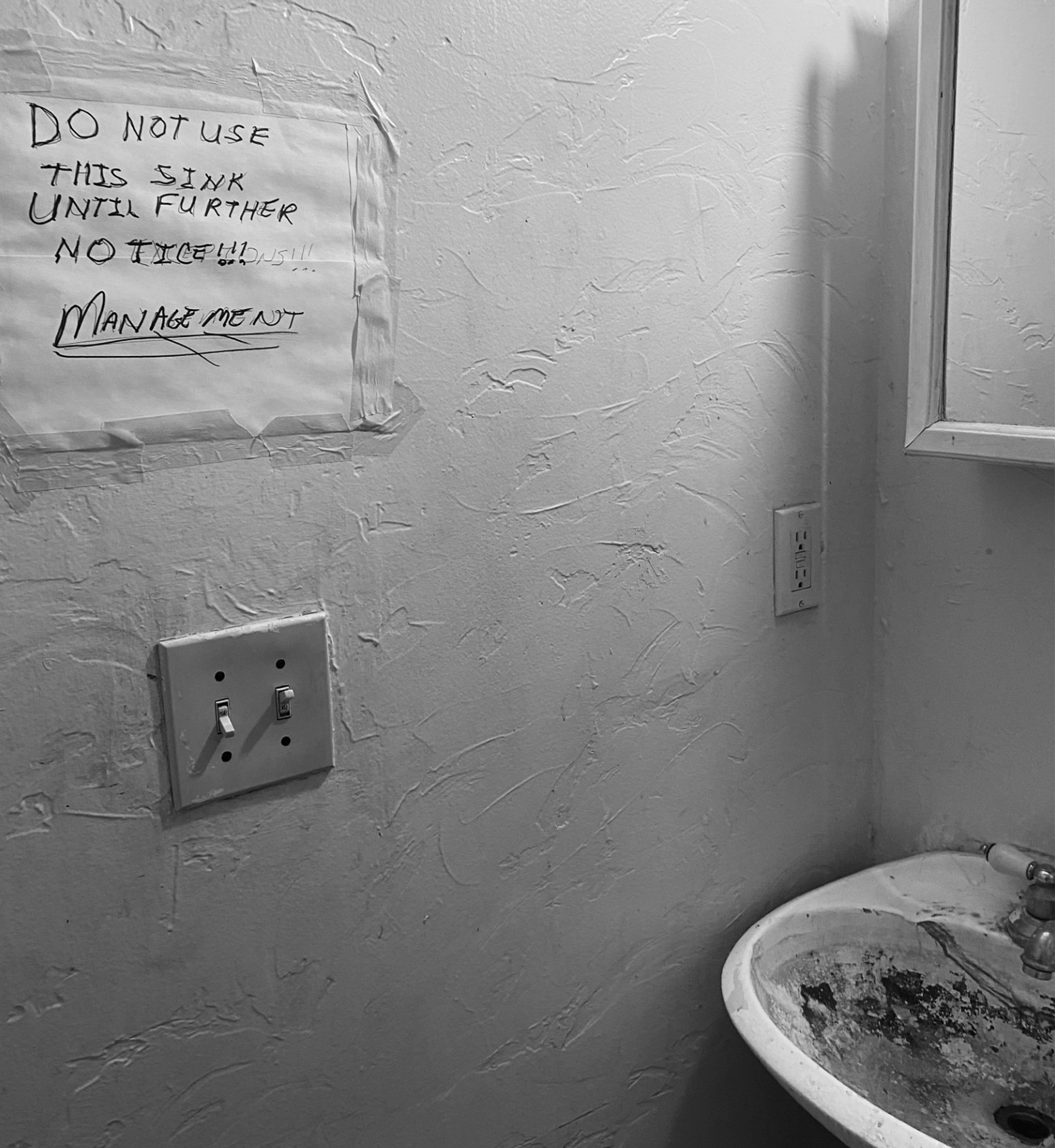
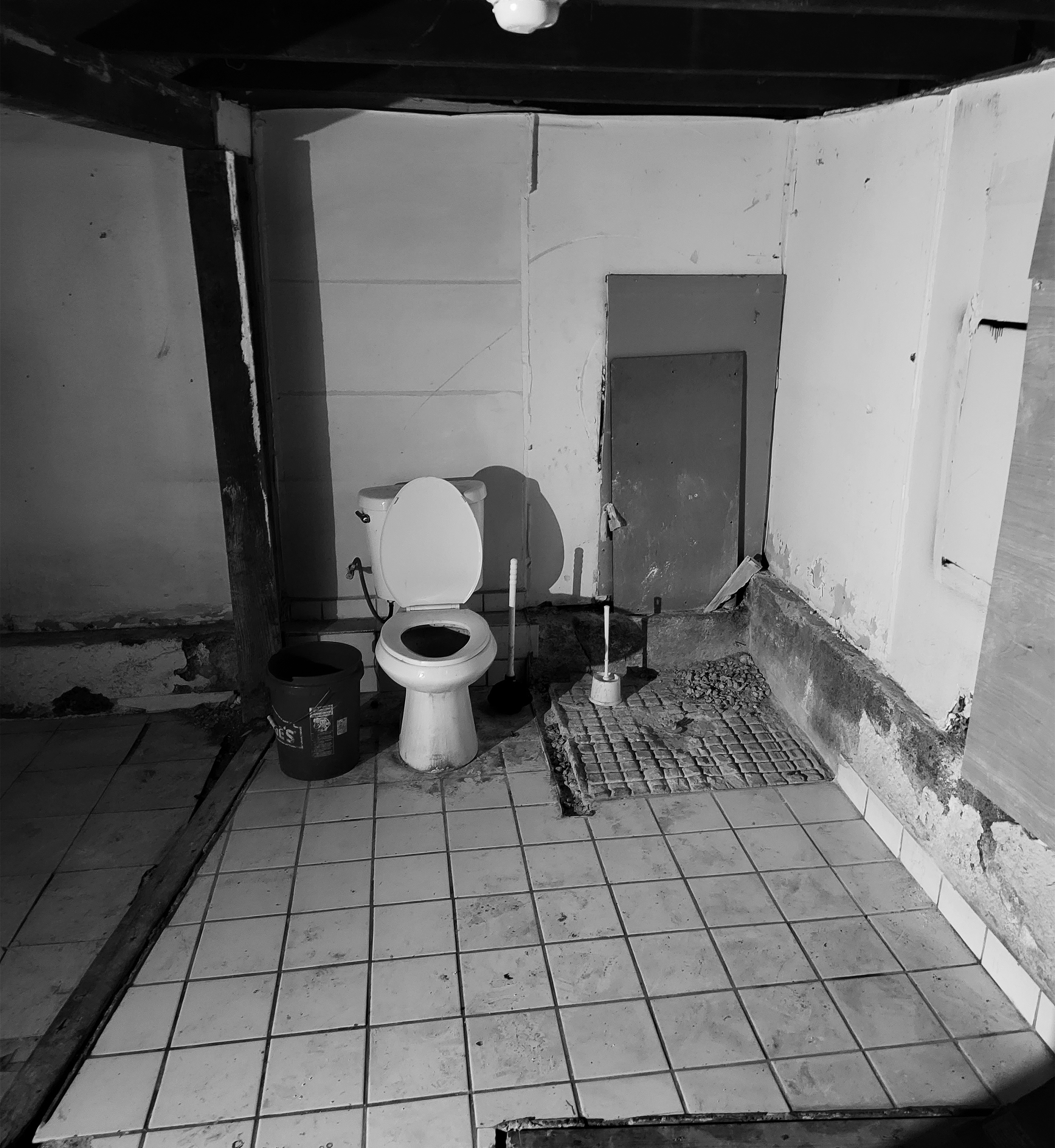
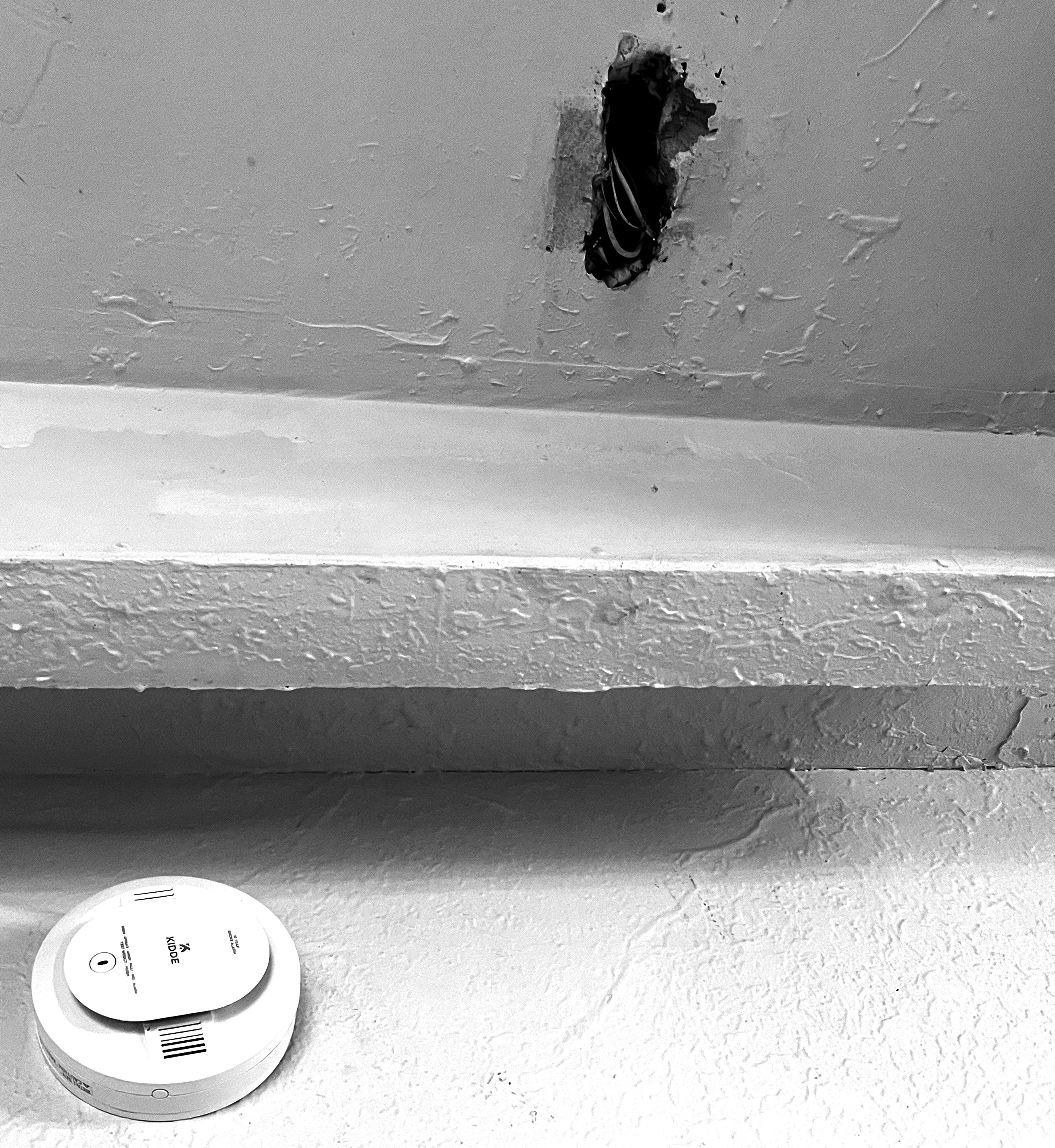
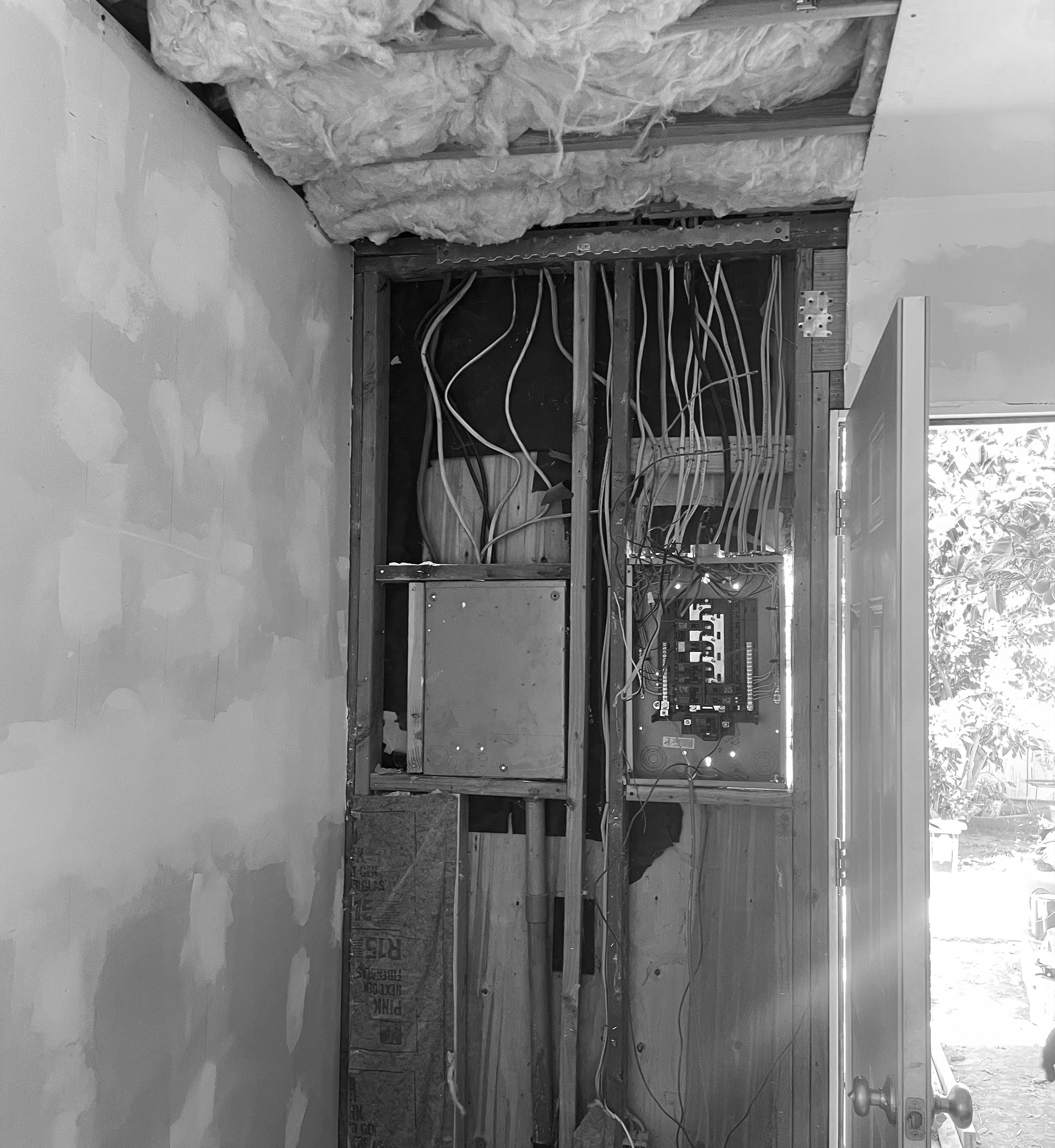
Azazel, David and Adrian all described unsanitary quarters, paying upwards of $1,400 a month to stay in cockroach- and bed-bug-infested homes, with broken appliances and feces left in common areas.
Adrian also recalled inadequate meals, such as a slice of stale toast for breakfast, Top Ramen for lunch, and leftover Little Caesars Pizza for dinner. Despite the operator advertising meals as included, he said tenants were charged an additional $300 per month for “meal services.”
David often heard screaming and remembers seeing strangers coming and going all hours of the night. "People are there that need more care than can be expected at an independent living home,” he said. “That creates real problems for the rest of us that are in recovery and need a calmer place.”
Azazel also witnessed a lack of support for tenants. “A lot of us in these homes, our medication is not correct, we’re traumatized... and not having adequate support and not adequate solutions. It’s just easier to stay quiet,” he said.
As a result of the inadequate care for higher need tenants, Adrian said basic sanitation, like flushing toilets, was neglected, methamphetamine use was frequent, and theft of food and personal items was common. “These homes were supposed to support mental health recovery, but in reality, they often do the exact opposite,” he said.
Overburdened and underfunded case management
If a tenant, like Azazel, faces unsanitary and unsafe conditions, he should be able to reach out to a case manager at the Full-Service Partnership Programs (FSP) who placed him at the ILH.
FSPs are programs within nonprofits that contract with California to provide comprehensive services to individuals, many of whom are unhoused or at risk of becoming unhoused, have severe mental illness, a history of criminal justice involvement and repeat hospitalizations. As of the 2024 FSP Legislative Report, FSPs served more than 222,145 clients, with at least 60 percent of adult clients experiencing housing insecurity.
However, while FSPs have a self-proclaimed “whatever it takes” approach to meeting a client’s needs, Azazel did not feel his case manager did “whatever it took” to ensure he was placed in quality housing.
According to California regulations, a personal service coordinator or case manager is required to respond to the client and provide support 24 hours a day, 7 days a week.
Azazel said he complained to case management about verbal assaults, threats, and misgendering, but instead of speaking to the operator or placing him elsewhere, the grievance line and case management told him to stop calling. “They’re not addressing the safety issues, the squalid living conditions,” he said.
Whether or not a case manager believes their client can have severe legal implications. At one ILH, for example, Azazel said he was evacuated by a service organization due to unsafe conditions. However, the operator of the home told his case worker that Azazel was kicked out for poor behavior. This put Azazel at risk of not graduating from his court program or having his record expunged.
Although Azazel could provide evidence of his evacuation, he worries about residents who have no tangible way to refute an operator’s claims. If it's a resident's word against the operator's, he fears case managers will side with the operator. "I think a lot of people can end up in more trouble with the law because of the way these places are being run,” he said.
A 2023 Mental Health Services Oversight and Accountability Commission report to the California legislature noted several deficiencies within the FSP program. Firstly, the state’s FSP reporting system, designed to receive information on FSPs across the state, was inadequate and did not provide clear and reliable data on the effectiveness of individual FSPs and the broader FSP initiative. The report also found that counties were not allocating appropriate mandatory minimum funding to support FSP programs, and that California had not established sufficient technical assistance to ensure effectiveness of programs.
A 2024 Legislative report by the Behavioral Health Services Oversight and Accountability Commission found that FSPs were operating with a high number of staff vacancies, leading remaining staff struggling with a mounting and complex caseload.
Overall, California’s lack of funding and assistance to FSPs harm people living in ILHs, like Azazel, who rely on FSPs to advocate for him and place him in safe and quality housing during a critical stage of recovery.
Limited financial options
Despite these problems, many tenants stay in ILHs because it is the only financially feasible way to keep a roof over their heads.
In 2026, for example, the average cost of a private room in a licensed care facility in California was $5,800 for a private room and $4,500 for a semi-private room. In contrast, in 2026, the maximum amount an individual with a qualifying disability at a licensed residential home can receive from combined federal and state SSI is $1,600 a month.
In March 2026, the average rent for a one-bedroom apartment in California was $2,180 and $3,303 in Santa Clara. As of 2026, the maximum amount an individual with a qualifying disability living independently can receive from federal and state SSI is about $1,200.
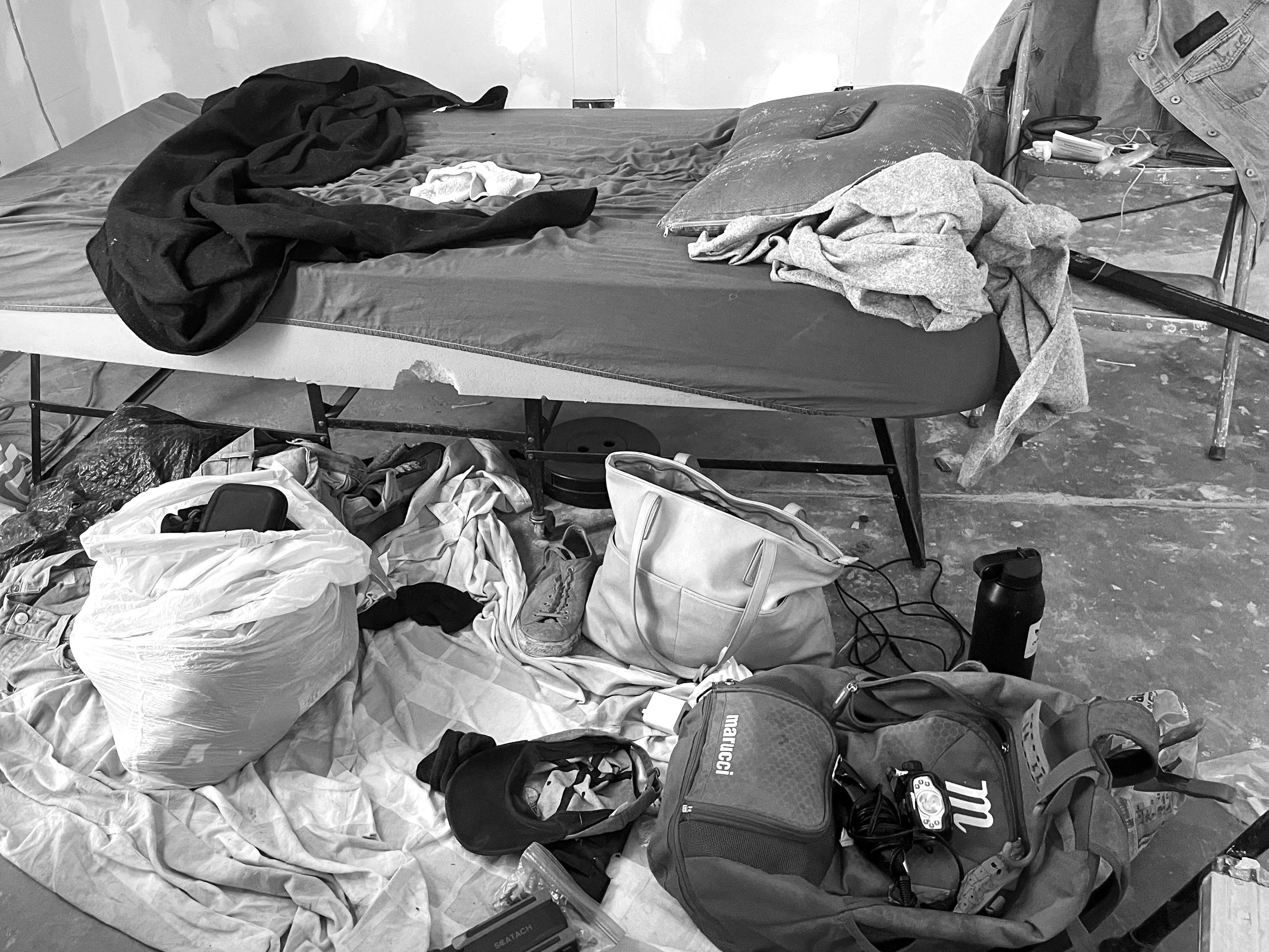
Astronomically high housing costs limit options for those in recovery, many of whom rely on disability benefits such as SSI or Social Security Disability Insurance (SSDI) and can barely afford poor quality ILHs as it is.
This financial situation turns ILHs into an option of last resort, trapping those who would benefit from alternative living situations such as a licensed residential home or their own apartment.
Lack of support for operators
Within the industry, family members and people with lived experience are not the only ones who feel unsupported. ILH operators also feel left behind.
Matt Jacobsen never planned to operate ILHs, spending most of his life working as a telephone technician and raising his four sons. But, when two of his sons received mental health diagnoses, he became involved with the National Alliance on Mental Illness (NAMI), a nationwide mental health organization.
During his time with NAMI, he learned that housing was a key part of recovery for those with mental health diagnoses. In 2016, he entered the ILH industry as an operator, and today his company, UPL Enterprises, operates 13 homes. Matt shared UPL Enterprises’ fundamental philosophy: no matter a person’s diagnosis or what they’ve been through, they deserve a place to live.
Matt feels that operators are often seen as businesspeople looking to make a quick buck, not as mental health advocates. But, as Matt explained, operating a home is not something you should pursue solely for the money. Instead, he thinks good operators have something else driving their desire to operate a home: a passion stemming from lived experience.
However, while Matt remains passionate about mental health and advocacy, he quickly learned that passion wasn’t enough: there were limits to the resources he could provide. “I realized that I wasn’t going to be able to provide services and housing at the same time, because services like wraparound, that involves a lot of different therapy, medications, psychologists, psychiatrists... it takes a village,” he said.
Despite the need to work together and build a “village,” Matt feels like operators exist in a vacuum; they don’t receive support from the organizations or government entities that place tenants and provide those tenants' rent. Additionally, ILH operators don’t communicate with or support one another. This leads to operators facing similar problems but struggling silently in silos. The isolation wears operators down, even those like Matt with a passion for housing.
Solutions for independent living homes
David doesn’t believe closing down all ILHs is the solution. Compared to his time in a licensed home, he loved the freedom of an ILH, where he could come and go as he pleased, take care of himself, and manage his own medications. Azazel too, sees ILHs’ potential. He believes these homes can be a good first step to getting sober or finding employment, so long as they are safe and clean.
The system is not broken beyond repair. Instead, those with ILH experience acknowledged it as an important step on the road to recovery and offered suggestions on how the system could fulfill its potential.
Creating a centralized resource bank
Emilie advocates for a centralized way to find resources. “That is one of the things that is really missing,” she said. “Some kind of clearinghouse, a resource bank to navigate the process.”
Emilie thinks hospitals could employ a kind of tour guide or docent who supplies information and explains how to find an ILH. A hospital could also create and hand out pamphlets outlining the steps in easy-to-understand language. That way, families have a clear idea of what to expect and who to consult.
Creating a system of accountability and connection
Lorraine believes those who make recommendations or place people in ILHs, like case managers and social workers, need to do their due diligence to ensure the home’s quality. “They have to know the place. They have to know the operator, the owner . . . do a background check,” she said.
To combat problems in the industry, she founded The Community Living Coalition to educate and empower residents and ensure safe and supportive community housing.
The group is a collaboration between multiple stakeholders, including individuals with lived experience, family members, and organizations, such as Disability Rights California.
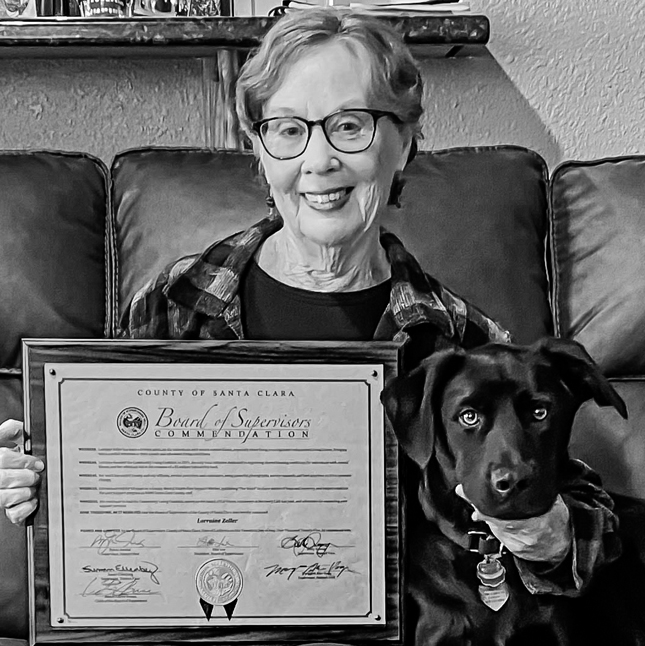
Lorraine and the coalition created a master list of all ILHs in Santa Clara County to bring visibility to these homes and hold them accountable. So far, she has identified 193 ILHs in Santa Clara County alone.
Additionally, Lorraine and Disability Rights California published a white paper entitled "The Unseen Housing Economy: A Road Map to the Independent Living Home Industry", to highlight issues facing ILH tenants and outline recommendations for the industry.
A system for ILH accountability is needed across all counties in California. In 2012, San Diego County created the Independent Living Association (ILA), a community team who supports operators, tenants and the community by promoting high-quality ILHs. The ILA outlines Quality Standards for ILHs, including clean and safe housing, a clear process for handling complaints, and an environment that respects the privacy of tenants, among other standards.
If a home meets these standards, the operator can apply for membership to the association and access the ILA’s free training, education, marketing and tools to improve their business. Additionally, the operator can list their home on the ILA Directory for tenants to find.
In a March 2024 Behavioral Health Board meeting in Santa Clara County, Ronda Brown, the founder of the ILA model, shared the importance of having mandatory quality standards.
Currently, the ILA exists in Fresno and San Diego counties but discontinued in Santa Clara County after funding dried.
The ILA also gives operators a chance to connect and share resources with one another. Matt supports the ILA and would love to see its return to Santa Clara County.
In addition to an ILA, he also thinks it would be beneficial to create a workgroup or designated space for operators to connect amidst their busy schedules. “It would help to sort of bridge that gap between operators, so that we could have a place where we would feel safe and supported,” Matt shared.
More housing options
Azazel doesn’t think ILH conditions will improve until those with mental health disabilities have more housing options. Right now, he believes when a court looks for placements, the options are either ILHs or the street. He advocates for creating more long-term homeless shelters with case managers directing people to quality homes and programs, so people don’t have to make the same choice between ILHs and the street that he did.
Improving communication
Once people reside in these homes, David thinks we could tackle the problem of inadequate support by having a dedicated person trained in mental health disabilities who works with management and tenants receiving subsidies. This liaison could be trained to facilitate communication and expectations between management and tenants.
David also believes increasing tenants’ power would improve conditions, such as forming an association or union so tenants can gather and discuss expectations for each other and the ILH operator. This could help ILH tenants advocate for themselves and others, many of whom sublet, and have fewer rights than tenants with direct leases.
A Path Forward
In January 2026, David left his ILH for his own apartment. He is currently working towards a master's degree in psychotherapy.

Adrian now helps others who may have similar experiences with independent living homes.
Azazel lives in an apartment in San Jose. He is attending school to be a drug and alcohol counselor and has been sober for three and a half years. He attributes his success to the Valley Homeless Health Care Program at Alexian, which he says adjusted his medication and took his safety seriously, and Next-Door Solutions and YWCA, which provided him with therapy and appliances and furniture for his room.
A person can live in an ILH and recover, but the process should hasten their recovery, not impede it. The success of David, Azazel, and Adrian should be the rule, not the exception.
Ronda succinctly summarized the issue to the Behavioral Health Board:
ILHs could be an incredible resource for some of California's most vulnerable tenants. A place where people can feel safe and recover, a place they can call “home sweet home.”
But to achieve that, we need to listen to the stories of those involved in the ILH system, work together to find solutions, and first and foremost, care about where people lay their heads each night.