

Documentary Sheds Light on Disability and Suicide Awareness
Documentary Sheds Light on Disability and Suicide Awareness




Documentary Sheds Light on Disability and Suicide Awareness: A spotlight on Meandering Scars, in honor of September as Suicide Awareness Month
Content warning: This story contains mention of suicide and suicidal ideation. If you or someone you know is struggling, there is help available by call or text at 988. Additional resources will be listed at the end of the story.
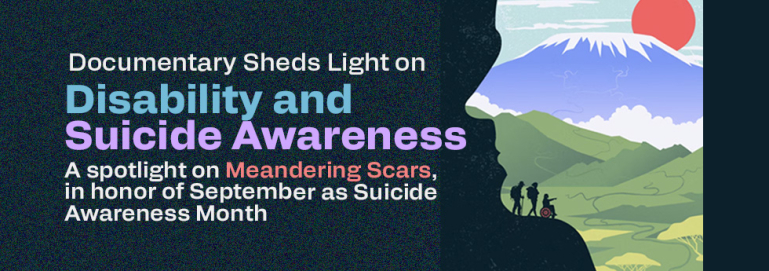
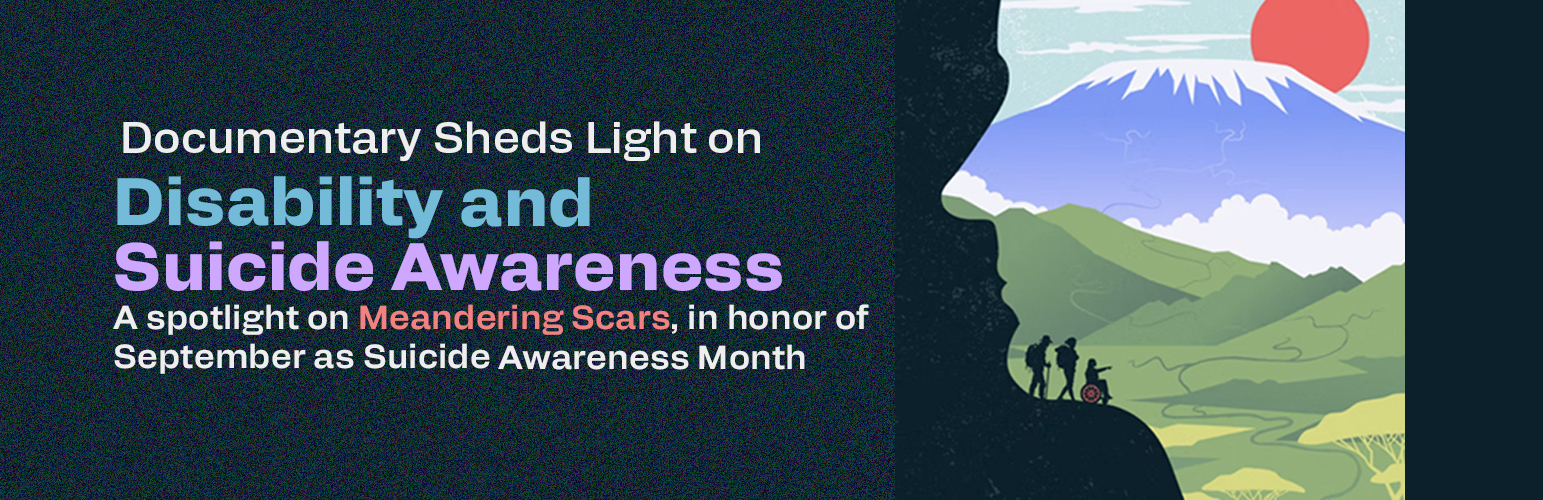
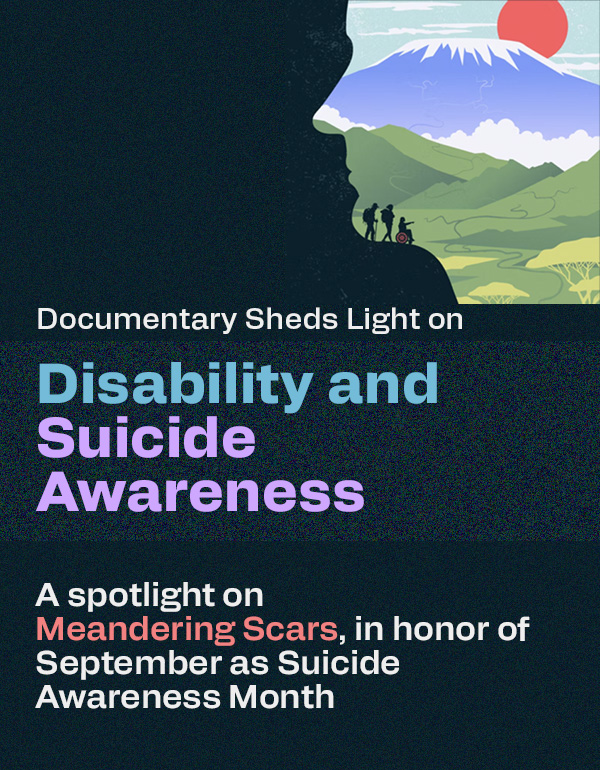
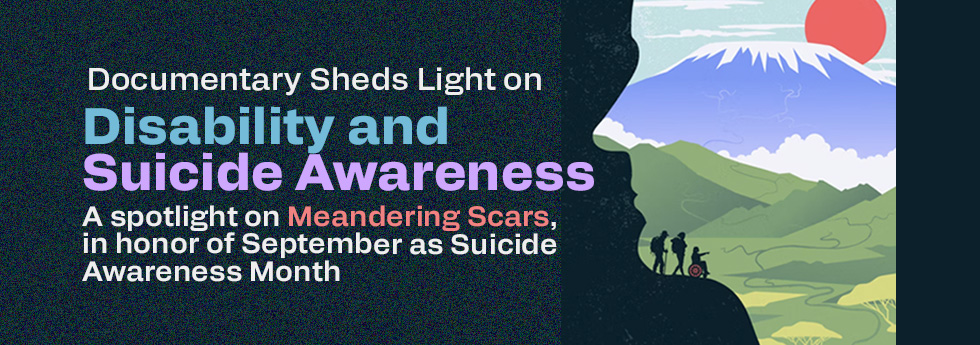
When Erika reached the summit, she burst into tears. It’s a moment equally mixed with triumph, physical pain, and the tender hurt of missing loved ones lost. Erika is the lead subject in Meandering Scars, a documentary film that shows one woman’s journey up Mount Kilimanjaro and navigating life with a disability, suicide and its impacts on the disability community, domestic violence, and love.
In honor of September as Suicide Awareness Month, we wanted to uplift the story of Meandering Scars, which sits at the intersection of disability and suicide awareness.
How It Started
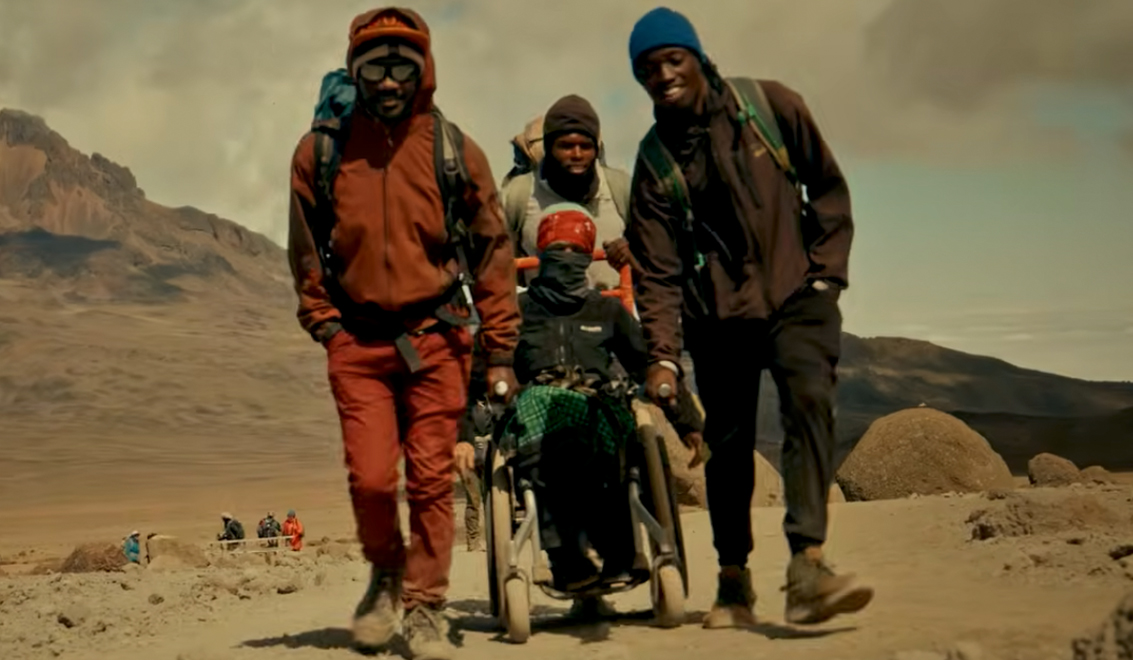
Meandering Scars started as an idea to make a documentary about sports and disability. The film’s co-director Kody Leibowitz was introduced to Erika Bogan, a wheelchair user who competes in Spartan races, which are competitive obstacle courses. Through meeting Erika, Kody learned that she was also training to climb the highest mountain in Africa, Mount Kilimanjaro in Tanzania, to raise awareness about suicide in the disability community.
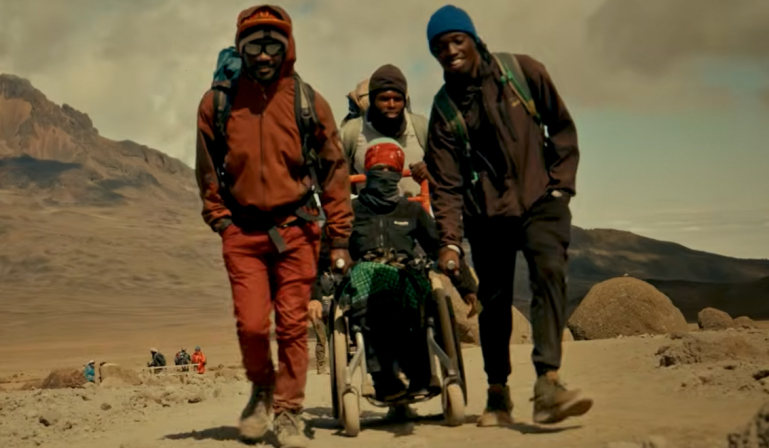
The film covers a year in Erika’s life, from the build-up to climbing Mount Kilimanjaro, to the five days on the mountain, and the feelings after the trip. Erika climbed the mountain partly with her wheelchair, and partly on the backs of her Spartan teammates who made the climb with her. Each person on the trek was inspired to join Erika because of her story.
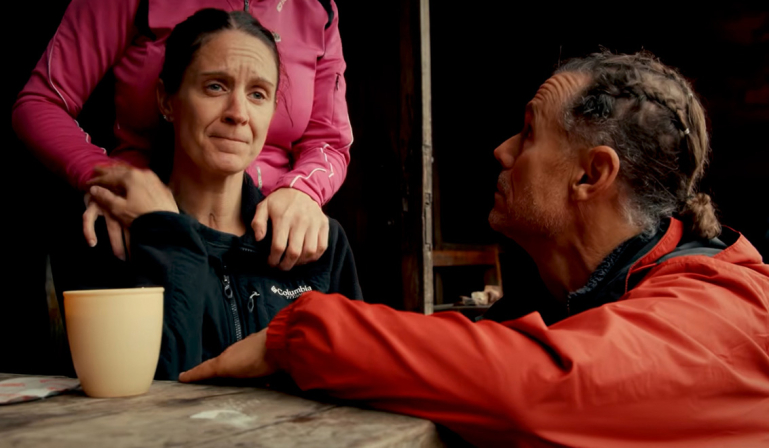
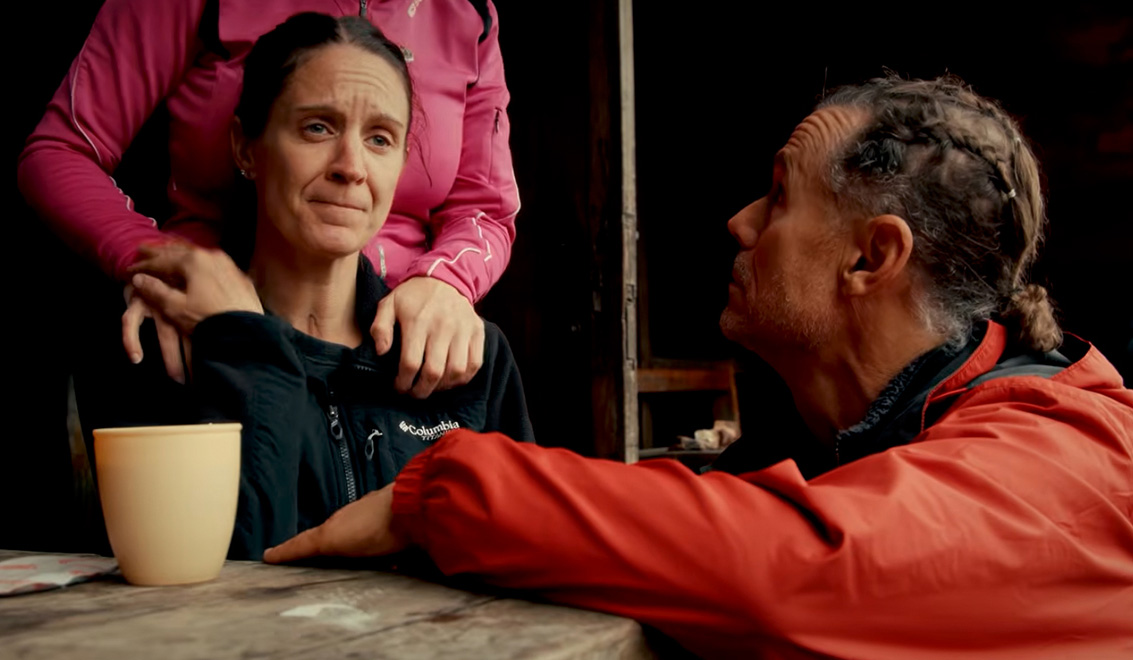
Erika’s life had been deeply impacted by suicide, having had multiple friends and family members die by suicide, as well as her own experiences with suicidal ideation. She also has an acquired disability from a domestic violence incident. The film shows Erika as she connects with the husband of a close friend who died by suicide, as well as her work as a life coach for people experiencing thoughts of suicide. Throughout these experiences, Erika’s power is her ability to meet people where they are, using her story as a means of connection.
Not An Inspiration
Kody said he wanted to be mindful of not depicting Erika as an inspirational figure who doesn’t have any flaws. There are moments in the film where Erika struggles with finances, makes impulsive decisions, and throws caution to the wind. Kody said that showing Erika in her full humanity was crucial not only for her, but for disability representation altogether.
“This film is not to make able-bodied folks feel good about themselves, or go, ‘oh my god, she did this, and she’s so inspiring,’ and then watch a new video and turn it off and not do anything to help,” Kody said.
To further show the connection between the film’s subject matter, the film featured Dr. Lauren Kahzem, who researches the connection between people with physical disabilities and mental health disabilities. Dr. Kahzem is the only researcher in the country who is studying suicidal ideation in the disability community.
The Message
Kody said that it was important that suicide be “baked into the thesis” of the film, rather than fall into the storytelling trope of making Erika’s disability and her connection to people who have died by suicide a “reveal” to the audience. He said that keeping both disability and suicide at the forefront of the film was to honor those topics with dignity and depict them through Erika’s experiences.
There are several moments in the film where Erika struggles with her own mental health, including as she progresses up the mountain. Thousands of feet above sea level, the bone-chilling cold impacted Erika’s physical well-being and mixed with the memories of the loved ones she’d lost. Because of the immense pain, Erika went limp, retreating from her physical body to a space deep inside her mind. In that moment, the film used animation to depict what she describes as the place that she goes to when the world feels too heavy.
Showing these moments of Erika fighting through her own pain was important to both her and the filmmakers to spread the message about suicide and its impacts—which Kody said is not talked about openly in society.
In the end, the filmmakers hope this film starts the conversation around disability and suicide awareness. Understanding that there’s a mountain to climb, one step at a time.
Resources:
-
988 Suicide and Crisis Lifeline
-
Call or text 988.
-
Chat at 988lifeline.org
-
-
California Parent & Youth Helpline
-
Call or text 855-427-2736
-
-
The Trevor Project's 24/7 Suicide Hotline for Lesbian, Gay, and Bisexual Youth
-
Call 1-866-488-7386 or text START to 678-678.
-
-
-
Call 988, then select 1, or Crisis Chat, or text: 838255
-
-
Reach out and listen: How to help someone at risk of suicide
-
Suicidal thoughts - How to support someone. Signs, help, and support