


2025 Annual Report - Investigations Unit Reports

2025 Annual Report - Investigations Unit Reports




Investigations Unit Facilities Work
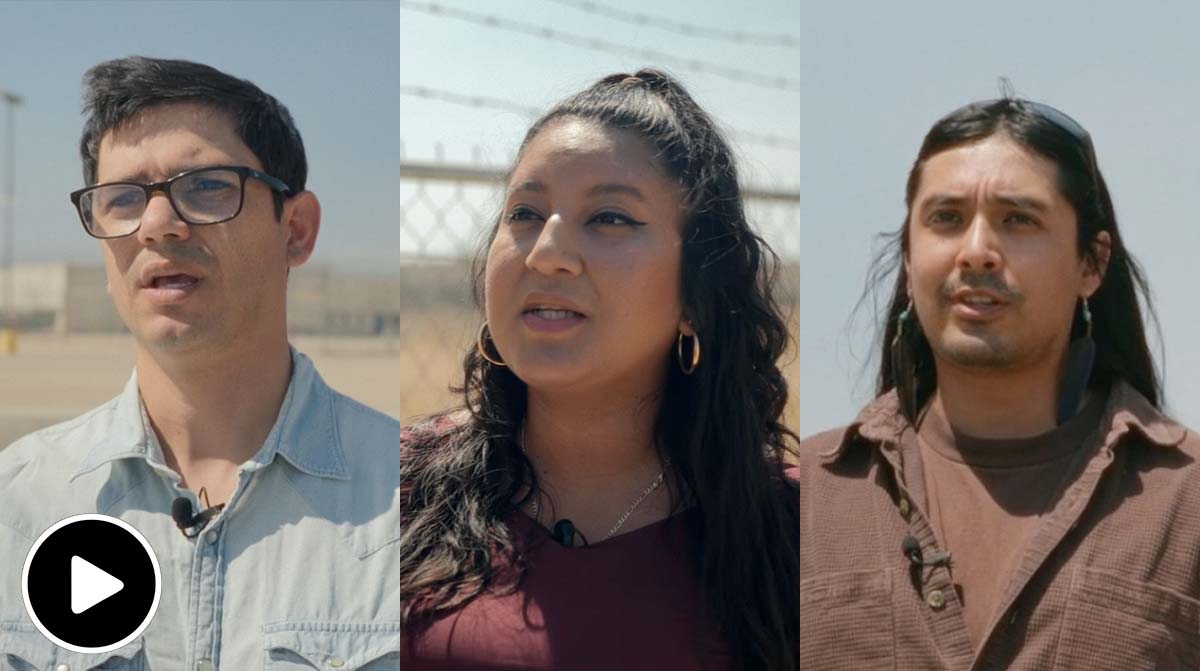
The Investigations Unit (IU) investigates allegations of abuse and neglect of people with disabilities in a wide range of settings where people live and receive services.
Facility Conditions Work
The year 2025 saw dramatic shifts in U.S. immigration policy and enforcement, along with a steep increase in the number of people detained nationwide. Within this landscape, DRC’s Investigations Unit engaged in creative, diligent, and bold work as a watchdog and advocate for people with disabilities in immigration detention. As Senior Attorney Richard Diaz explains, “We represent people regardless of status. Our community includes people in immigration detention, so we use our authority to investigate and advocate for people in all settings.”
This work relies on DRC’s access authority. As California's federally designated Protection and Advocacy agency (P&A), DRC has unique authority to enter locked facilities, giving the organization a crucial ability to assess conditions faced by people with disabilities in these settings.
Even as congressional representatives were being blocked from entering California detention facilities, DRC was able to gain access, interview detainees, and deliver recommendations to improve conditions.
Adelanto
In June, in partnership with DRC’s Mental Health Practice Group, the Investigations Unit conducted a site visit at the Adelanto Immigration and Customs Enforcement (ICE) Processing Center in San Bernardino County, California. In 2019, DRC published a report finding that conditions at Adelanto resulted in the abuse and neglect of people with disabilities. One goal of the 2025 visit was to determine whether conditions had improved since that report. Our team was also concerned because the number of people being held at Adelanto had increased dramatically—from 300 to 1,000 in just one week—with reports of deteriorating conditions.
Our team toured several areas in the facility and interviewed 18 people detained there, as well as staff and representatives from the private prison contractor GEO Group, which operates Adelanto. The team’s findings, published in the report, “They Treat Us Like Dogs in Cages” detailed disturbing conditions. Investigators found a lack of basic necessities, including inadequate food, safe drinking water, and clean clothing, as well as a lack of critical medical and mental health care. They found that Adelanto continues to create conditions that result in the abuse and neglect of people with disabilities. The report sparked nationwide media attention, mobilized policymakers, and has been cited in federal lawsuits on behalf of detainees. The team also worked closely with local partners, including the Inland Coalition for Immigrant Justice, to hold press conferences, stay in touch with former detainees and family members, and build power on behalf of those still being held in Adelanto.
California City
In September, DRC conducted a monitoring visit at the California City Immigration and Customs Enforcement (ICE) Immigration Processing Center. With a maximum capacity of 2,560 beds, California City is the largest immigration detention center in the state. DRC’s visit came within weeks of the center’s opening, yet the team had already received numerous distressing reports of people with disabilities experiencing poor medical care and substandard living conditions. The facility, a former prison, is located in a remote area of the Mojave Desert in Kern County, California and operated by CoreCivic, a private company that contracts with ICE to provide custody services.
Most of the people DRC met reported being treated inhumanely, with at least one stating that “they are treating us like animals.” Many described staff running the facility like a high-security prison, often resorting to threats of violence.
Investigators found that people who are civilly detained were being held in highly restrictive, prison-like environments, without adequate medical care or access to essential medications. They also found a failure to address people’s disability-related requests or basic needs.
On the dates of DRC’s visit, investigators also found 27 people being held in the segregation unit, in solitary confinement.
The team concluded in its report: “DRC has serious concerns about what appears to be a rush to open the California City facility and the abuse and neglect individuals with disabilities are facing there. The conditions at California City add to mounting evidence that the current system of detention is dangerous and inadequate for all people, especially those with disabilities.”
Carrying the Work Forward
Since the birth of the Protection and Advocacy system in the 1970s, watchdog oversight has been central to defending the rights of people with disabilities. The Investigations Unit carries that mandate forward today, going behind the walls of locked and segregated settings to expose harmful conditions and shine a light on systems in need of reform. Building on this legacy, the IU goes beyond uncovering abuse and neglect by conducting in-depth investigations, issuing public reports, engaging in advocacy, and negotiating on behalf of people with disabilities across California. Through community conversations, close collaboration with detainees and their families, and steadfast enforcement of civil rights, the Investigations Unit continues the P&A tradition of holding institutions accountable and safeguarding basic human rights.
Read the full reports: