


2025 Annual Report - Tulare County Mental Health Settlement

2025 Annual Report - Tulare County Mental Health Settlement




Tulare County Mental Health Settlement

In February 2025, DRC’s Mental Health Practice Group reached a groundbreaking community mental health care settlement with the Central Valley’s Tulare County. The result of over four years of work by the team and the local community, the agreement is a legally binding framework for the County to expand and improve community mental health services.
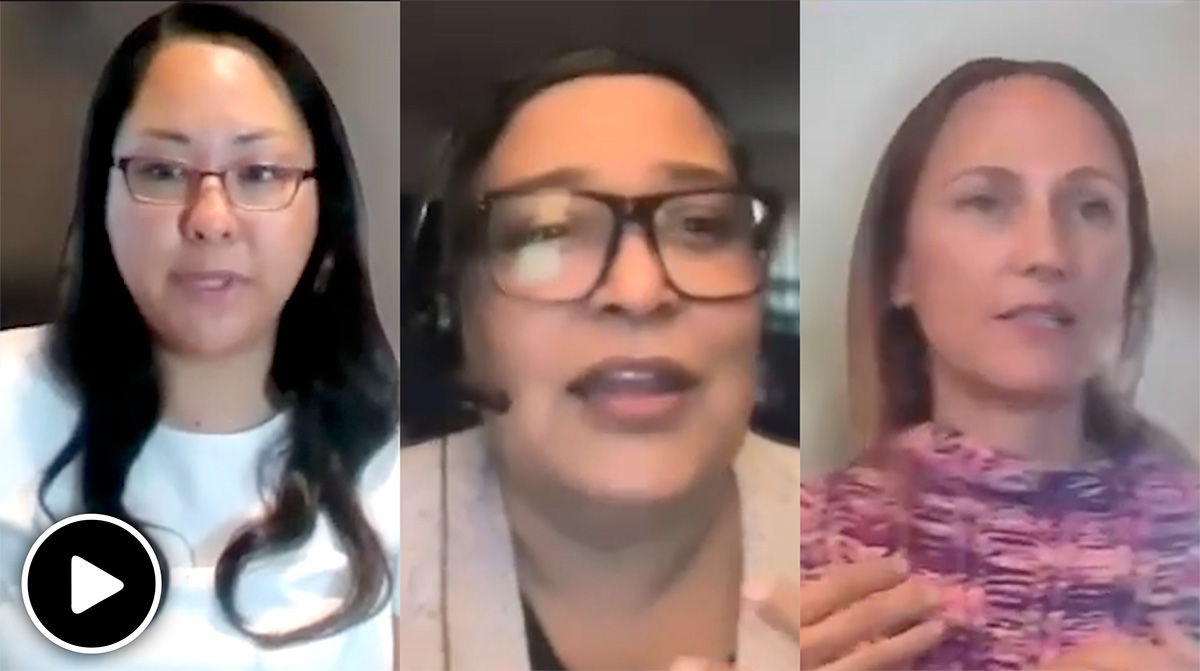
As Leslie Napper, Senior Advocate with DRC’s Mental Health Practice Group, describes it, “The Tulare County settlement agreement is a landmark step forward, ensuring that people living with mental health disabilities, who may be living with substance use disorders, who may be living unhoused, these co-occurring disabilities within Tulare County, receive services in the community rather than be institutionalized or incarcerated.”
This work started in 2020 as DRC began receiving alerts from the community and partners in Tulare County about a serious lack of community-based mental health care services. They heard about crisis services being provided mainly in jails and hospitals and about overreliance on law enforcement to deal with mental health crises, sometimes ending in tragic outcomes. In 2021 the team launched an official investigation, pouring through data and public records, talking directly with people in the community, and using DRC’s access authority to meet with the County’s government agencies and providers. The investigation lasted for a year and a half, and what the team learned confirmed many of the alarming things they had been hearing.
According to County data for 2021, over half of incarcerated adults and nearly 80% of incarcerated youth in Tulare were on the mental health caseload of the County’s detention facilities, far exceeding the statewide average. The records from 2020 showed that nearly 90% of crisis response services were delivered in an emergency room, hospital, or jail. All of these findings, and the continued partnership of the community, made clear that there was an acute problem in Tulare County.
Once their investigation was complete, the Mental Health Practice Group drafted a demand letter bringing together their findings and recommendations. The team entered negotiations with the County and, in 2025, signed a comprehensive settlement agreement to improve the form and quality of mental health care services in Tulare.
Tulare County Behavioral Health must:
- Expand mobile crisis teams that respond without law enforcement involvement.
- Provide 24/7 community-based crisis services that are age-appropriate, person-centered, trauma-informed, culturally responsive, and gender-affirming.
- Coordinate with school districts to ensure children and youth receive behavioral health services instead of law enforcement responses.
- Establish a Peer Respite Home, operated by a peer-led organization, for voluntary short-term support during mental health crises.
- Connect individuals to Full-Service Partnerships (FSPs), Assertive Community Treatment (ACT), and youth services to support therapy, housing, employment, and education.
- Implement person-centered discharge planning, including through patient feedback surveys.
- Create new permanent supportive housing units and apply for additional housing vouchers.
- Hold regular stakeholder meetings with underserved communities to identify gaps and improve culturally responsive services.
- Contract with community-based providers to provide culturally responsive behavioral health services to ensure equal access to services for communities of color.
Since the agreement was signed, the County is now in a multi-year period of implementation, a process that the team wanted to ensure included serious accountability to the community. Sarah Gregory, Litigation Counsel with DRC’s Mental Health Practice Group, said “We wanted to build in terms that had lasting effects.” The team focused on the work as something to be carried on and carried out by the community for years to come. And Michelle Kotval, a Senior Attorney with DRC’s Mental Health Practice Group who was involved throughout the investigation, “We’ve been really focusing on setting the terrain for successful implementation. These are big systems, lots of deep changes happening.” Some of the agreement’s demands are already being implemented; the County has begun contracting with community providers for mental health crisis teams and have contracted to build a peer respite home.
This settlement agreement is a beautiful example of work driven by the community and forwarded by DRC. It began directly from what the community brought to DRC, involved the community through the years-long investigation, recommendations, and negotiation process, and was built to live within the community going forward. It is advocacy we can all be proud of.