


2025 Annual Report - PULSE Program

2025 Annual Report - PULSE Program




The New PULSE Unit
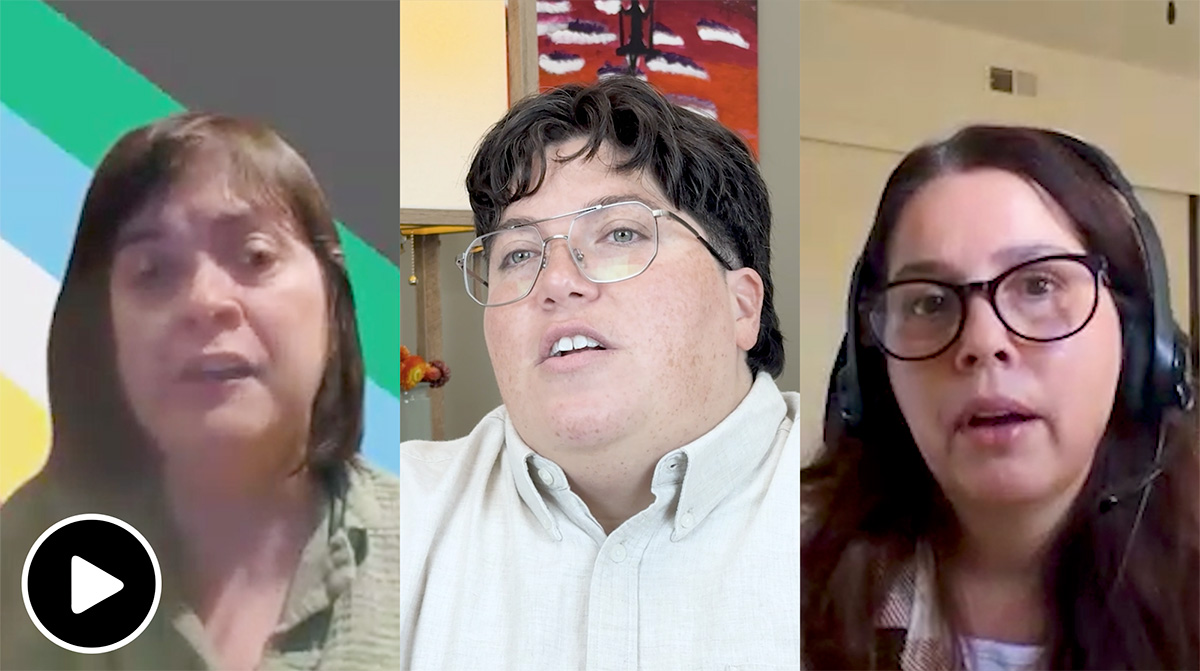
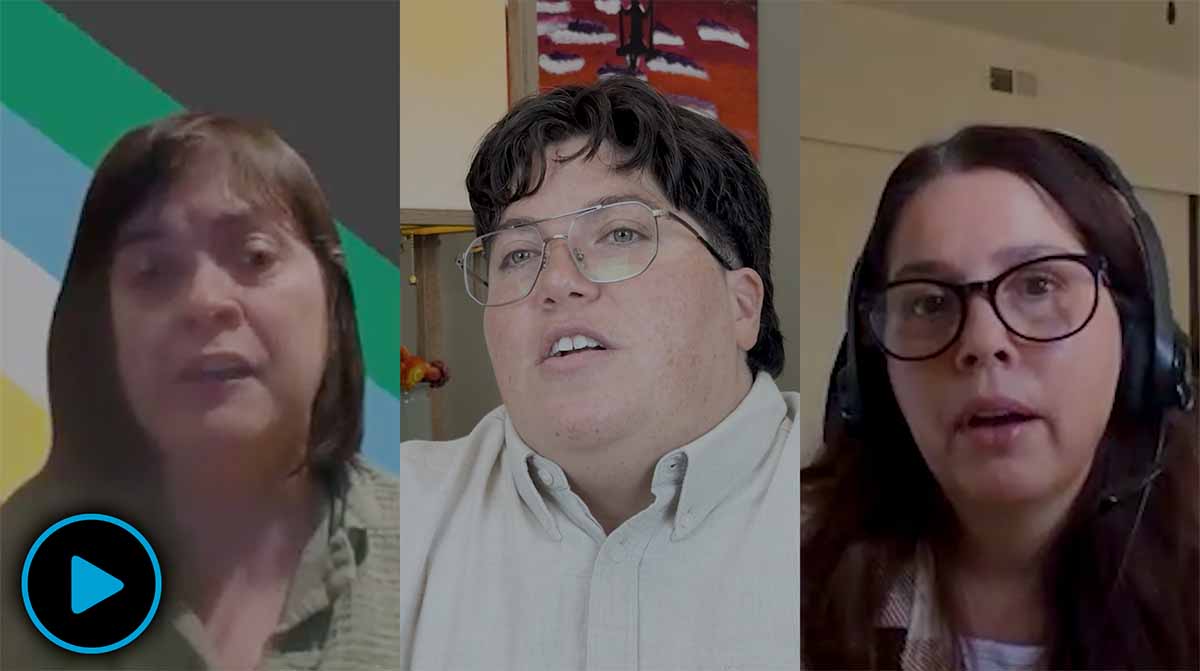
Individuals under a conservatorship with the Department of Developmental Services (DDS) now have access to a new support system through DRC’s impactful new unit, PULSE. An acronym for Peers Understanding, Listening, Supporting, and Educating, the PULSE unit is a partnership between DRC’s Office of Clients' Rights Advocacy and DDS.
PULSE functions as an independent resource, ensuring that conserved individuals have access to important information about their rights, alternatives to conservatorship, and appropriate referrals to advocacy. They also help people obtain the support needed to end their conservatorships.
DDS is the state agency that provides services and supports for people with intellectual and developmental disabilities in California. The agency becomes a person’s conservator when they do not have other people in their lives to fill this role. DRC advocates for a move away from conservatorship in favor of a supportive decision-making model.
The PULSE unit meets regularly with each person conserved by DDS to help them understand their conservatorship proceedings, the powers their conservator has, and the rights that they retain. The PULSE unit will work to help conservatees understand what decisions they can make independently through Supported Decision Making and other less restrictive means.
“We do not have a stake in their conservatorship, and we are really wanting to give the conservatees the most autonomy possible, so that is our work,” said Sofia Vergara, the PULSE Unit manager. “We obviously understand the circumstances that might have led for them to be conserved by the department, but we work with them within what we see, to really see how we can best provide decision-making skills for them.”
To accomplish this dynamic, Vergara described that when visiting conservatees, the liaisons meet them where they’re at—whether that means speaking with them verbally, using a communication board, or pointing to objects.
“It really is a mixed bag of communication, but we just put into practice whatever is best for the conservatee, we're an independent set of eyes to see what is actually in practice for them, and what we can do to hopefully increase those opportunities to allow them to practice as much of their own decision-making as possible,” Vergara said.
Vergara said that what makes their work unique is the access they have to DDS conservatees through observing them in their homes and day programs. She said that going into the next year, the team will be focused on spending time with conservatees, so they can better help them advocate for themselves.
“Building a connection and a rapport is what’s really important,” Vergara said.